
Reviewed · SANTA MONICA TOURS
Los Angeles: Heal The Bay Aquarium in Santa Monica
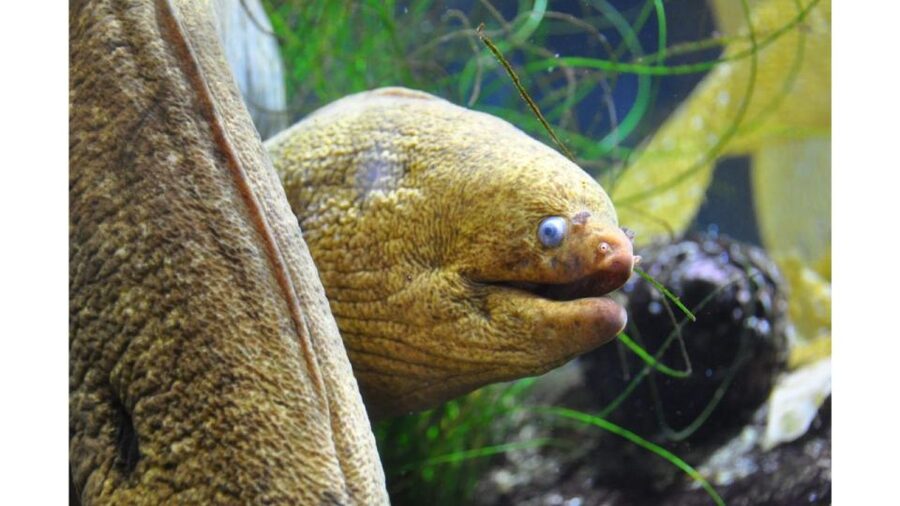
Heal the Bay Aquarium puts you close to Pacific sea life without the scale or crowds of a major city aquarium. The best moment may be a hands-on touch tank, where you can feel marine creatures and connect the exhibit to the ocean just outside.
I like the direct contact with sea life and the aquarium’s clear conservation purpose. I also like the chance to catch a feeding session, such as the eel feeding that makes a short visit feel special. The main drawback is size: you may see everything in about 15 minutes, so this works better as a Santa Monica stop than as a full day out.
In This Review
- Key points at a glance
- A small aquarium with a hands-on purpose
- Touch tanks make the visit more personal
- Pacific exhibits in a compact setting
- Look for a feeding session, especially the eels
- Education that leads beyond the tanks
- How long should you plan to stay?
- Is the $10 admission good value?
- What the staff add to a brief visit
- Who will enjoy Heal the Bay Aquarium?
- Planning your Santa Monica stop
- A realistic visit plan
- Should you book Heal the Bay Aquarium?
- FAQ
- How much does admission to Heal the Bay Aquarium cost?
- How long does the aquarium visit last?
- Can I touch marine life at the aquarium?
- Is food included with admission?
- Is transportation provided from my hotel?
- What language are the staff and programs in?
Key points at a glance
- Touch tanks bring you close to sea creatures: You can handle various marine animals under the guidance of aquarium staff.
- Pacific habitats are the focus: Exhibits cover kelp forests and other ecosystems found along the Pacific coast.
- Eel feedings can add a memorable moment: Check what educational activity is happening during your visit.
- The aquarium is very small: Some visitors finish in 15 minutes, while a slower look and program may take longer.
- Your ticket supports conservation work: Heal the Bay links aquarium education with research, advocacy, and ocean protection.
- Children 12 and under enter free: They must be accompanied by an adult.
A small aquarium with a hands-on purpose
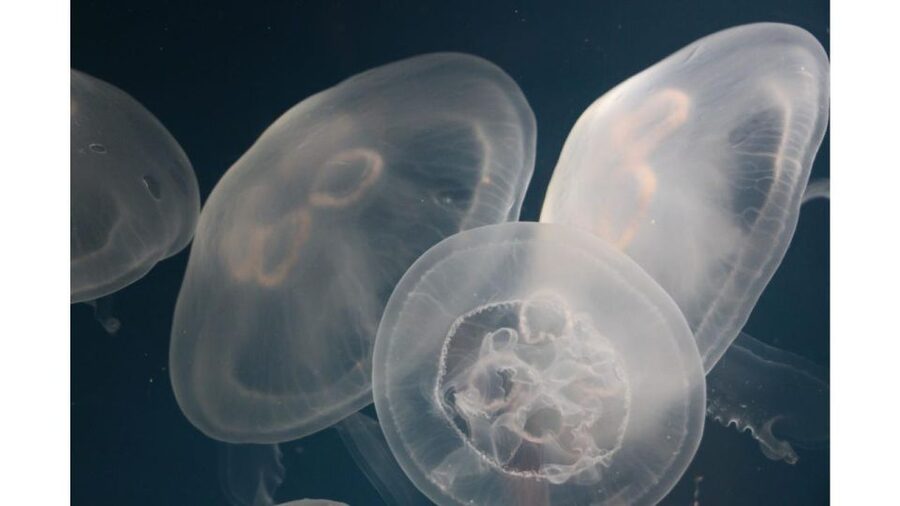
Heal the Bay Aquarium is not trying to compete with a huge attraction filled with hundreds of displays. Its appeal is more personal. You can look closely at Pacific marine life, ask questions, and take part in touch-tank activities rather than simply walking past large glass walls.
That difference matters when you set your expectations. If you want a long indoor attraction with many elaborate habitats, you may find the aquarium limited. If you want a short, thoughtful introduction to local ocean life, the compact format can work well.
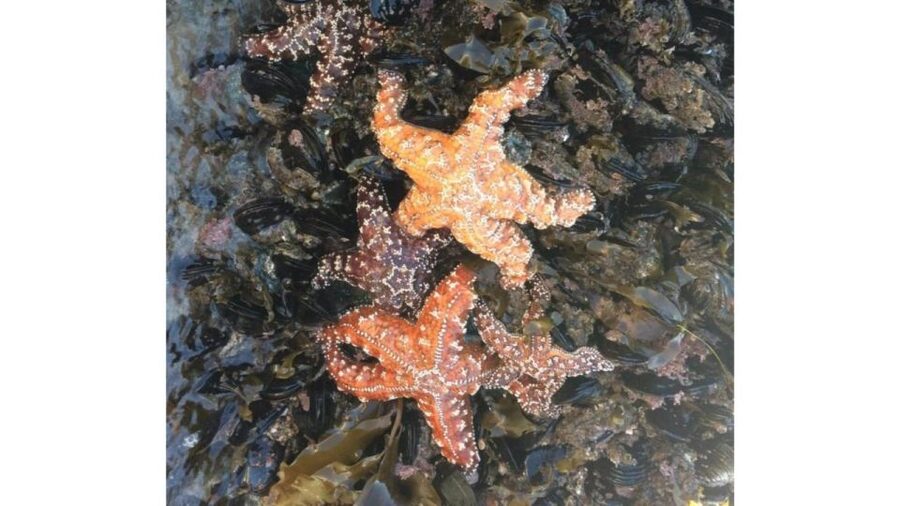
The displays present marine environments connected to the Pacific, including kelp forests and the animals that depend on them. You get a simple reminder that the ocean is not just a scenic backdrop at Santa Monica. It is a living system with plants, fish, invertebrates, and wider environmental pressures.
A few more Los Angeles trips worth weighing up
- Skip the Ticketing Line: Aquarium of the Pacific General Admission Ticket
★ 4.5 · 485 reviews
Touch tanks make the visit more personal
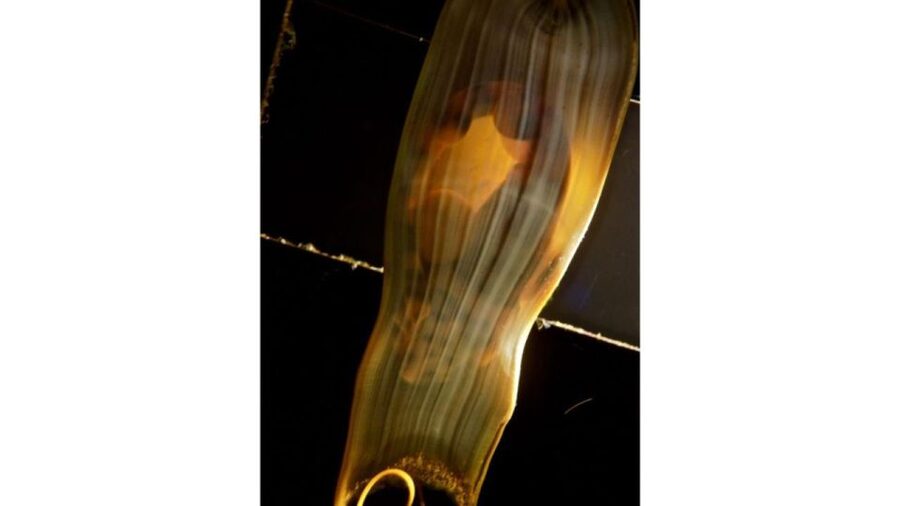
The touch tanks are the aquarium’s most distinctive feature. Instead of keeping every animal behind glass, the experience lets you feel selected sea creatures under staff supervision. For children, this can turn a general lesson about marine life into something they remember.
I find this kind of contact useful because it slows you down. You are not just scanning labels or taking a quick photo. You have to pay attention to the animal, follow instructions, and think about how human contact affects sea life.
The touch experience also gives the staff a natural opening to discuss responsible behavior around the ocean. You can learn that curiosity needs to be paired with care. The point is not to handle animals as toys, but to build respect for the living environment they represent.
Ask about the touch-tank schedule when you arrive. The supplied information confirms that the aquarium offers a variety of touch tanks, but it does not provide a fixed schedule or guarantee that every animal will be available at every moment.
Pacific exhibits in a compact setting
The exhibits focus on marine life found in Pacific habitats. Kelp forests are an important part of that story, since they create shelter and feeding areas for many ocean species. The aquarium uses its displays to show how connected these habitats are, from plant life to the animals moving through it.
The presentation is modest. You may find that some tanks are small and that lighting does not always show every fish at its best. That can make the exhibits less dramatic than those at a large commercial aquarium.
Still, smaller displays can have an advantage. You can take your time with one tank, look for movement, and read the educational material without trying to cover an enormous building. I would approach this as a local marine education center, not as a grand spectacle.
The Pacific setting outside adds useful context. After your visit, the ocean is right there in Santa Monica, giving you a chance to connect the aquarium’s lessons with the real coastline. The aquarium cannot show every part of the Pacific, but it can sharpen your attention to what lies offshore.
Look for a feeding session, especially the eels
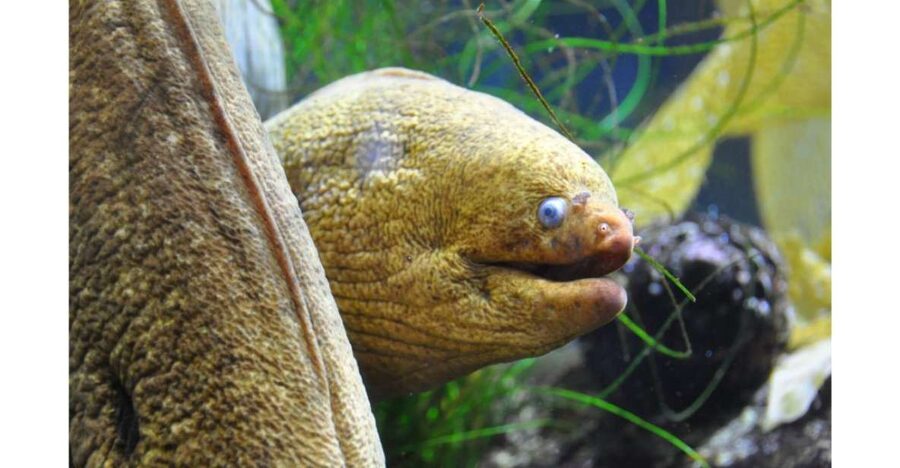
A feeding activity can make a noticeable difference to your visit. One particularly enjoyable option is an eel feeding, which lets you see the animals become active and gives staff a chance to explain their behavior.
Because the aquarium is small, a scheduled activity may become the main event rather than a brief addition. If you arrive at the right time, you could spend more time watching the staff work with the animals and listening to the explanation.
The available information does not give a daily feeding timetable, so you should not plan your entire day around a specific session unless the aquarium confirms it. Ask the English-speaking staff what is happening during your visit. The host or greeter language is English, and the listed programs are designed to connect animal care with ocean education.
If no feeding is scheduled, the visit can still be worthwhile for the touch tanks and conservation displays. Just keep the short length in mind.
More days around Santa Monica:
- Full-Day LA Tour: Santa Monica, Hollywood and Beverly Hills
★ 5.0 · 2,431 reviews - Perfect 5 ½ Hour LA & Hollywood Tour from Santa Monica
★ 4.5 · 1,124 reviews - Small-Group Electric Bike Tour of Santa Monica and Venice
★ 5.0 · 458 reviews - Half Day Best of Los Angeles Tour from Santa Monica
★ 5.0 · 221 reviews
Education that leads beyond the tanks
Heal the Bay’s purpose reaches past showing animals. Its work includes research, conservation, and advocacy connected to marine protection and sustainable practices. That gives the aquarium a clear reason for being there: it uses public education to encourage better care for the ocean.
I appreciate this focus because your admission does more than buy access to a display. It helps support an organization working on ocean issues. The experience asks you to think about personal choices and the health of marine habitats, rather than treating sea life as decoration.
Educational programs may cover the animals in the exhibits, the condition of Pacific ecosystems, and practical ways people can reduce harm to marine environments. The exact program content and times are not provided, so ask staff what is available on the day you go.
This is especially useful for families. A child may remember touching a sea creature first, then connect that moment to a wider lesson about keeping the ocean healthy. The aquarium’s message works best when you continue the conversation afterward, perhaps while looking out at the Pacific from Santa Monica.
How long should you plan to stay?
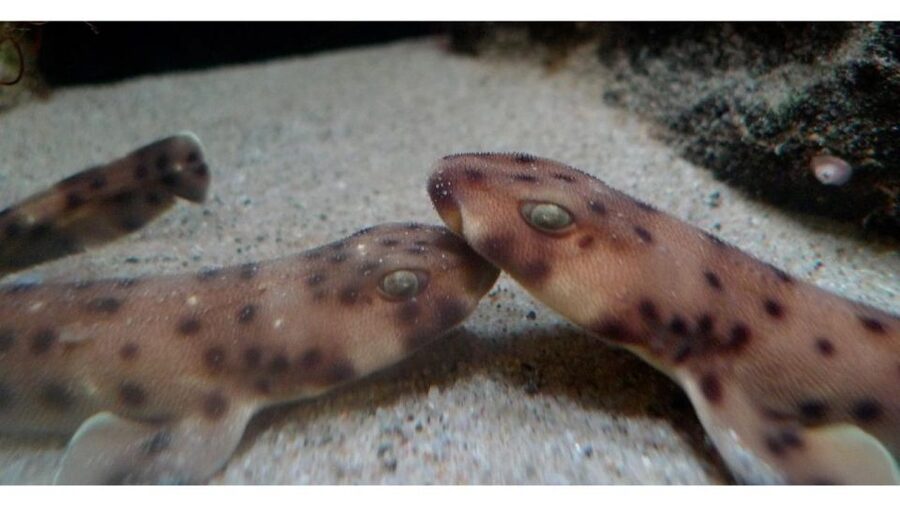
The activity is listed as valid for one day, but that does not mean you will spend a full day inside. In practical terms, this is a short visit. One visitor found 15 minutes enough to see the aquarium, while others may spend longer if they join an educational program, wait for a feeding, or take time at the touch tanks.
I would allow about 30 minutes as a sensible starting point, with extra time if the day’s activities interest you. That estimate is not a guaranteed duration, since the supplied details do not set a formal visit length.
This timing makes the aquarium easy to pair with other Santa Monica plans. You can stop in before or after time near the Pacific, rather than giving it the same block of time you would reserve for a major aquarium or museum.
The short format also creates the main value question. At $10 per person, the price is reasonable if you see the visit as a small conservation-supported activity. It feels less generous if you expect a large number of tanks or an hour-long indoor attraction.
Is the $10 admission good value?
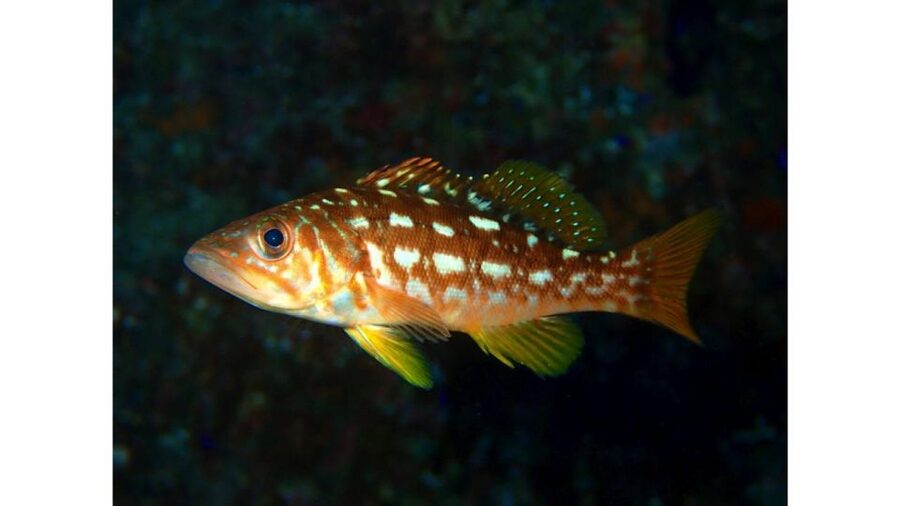
Admission costs $10 per person. Children 12 and under enter free, provided they are accompanied by an adult. For a family, that policy can make the visit more affordable than the adult price first suggests.
The price is fair for a small nonprofit-style aquarium with touch activities and conservation work behind it. You are paying partly for the educational mission, not only for the number of displays. If supporting marine protection matters to you, the value improves.
If you judge admission strictly by time inside, the calculation is less favorable. A 15-minute visit works out as a high cost per minute, especially if you miss a program and move through the tanks quickly. You should think of the ticket as a modest contribution to ocean education with an experience included.
I would book at $10 if I were already spending time in Santa Monica and wanted a focused marine stop. I would hesitate if I were traveling across Los Angeles only for this aquarium.
What the staff add to a brief visit
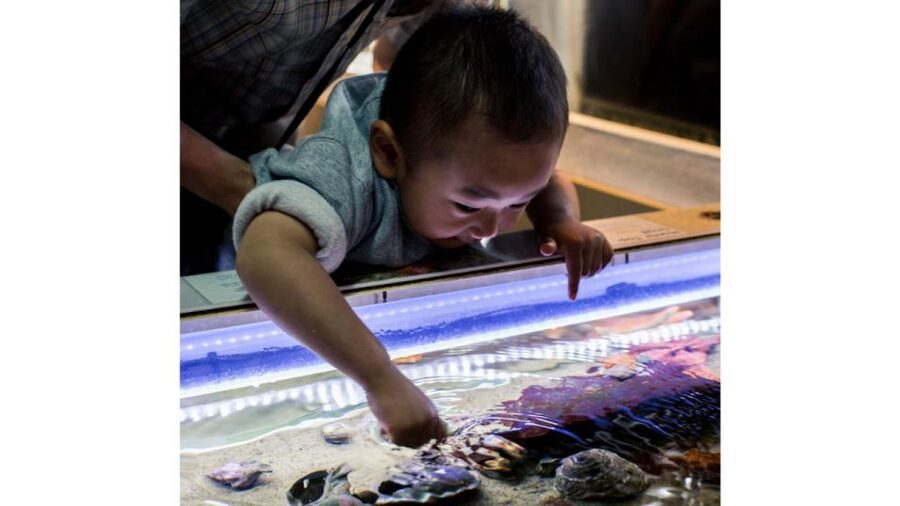
The staff help give the small exhibits more meaning. Their role is not just to watch the tanks. They can explain the animals, guide touch-tank contact, and connect what you see to ocean protection.
Good staff interaction matters more in a compact aquarium than in a huge one. When there are fewer displays, a clear explanation can turn a quick look into a useful lesson. The listed host or greeter language is English, so you should be comfortable receiving the presentation in English.
No guide names are provided, and this is not a named sightseeing tour with one guide leading you from stop to stop. Expect staff-led information at the aquarium, with the amount of interaction depending on the program and timing of your visit.
If you have children with you, encourage them to ask questions. The aquarium’s purpose suits curiosity, and the hands-on format gives staff plenty to discuss.
Who will enjoy Heal the Bay Aquarium?
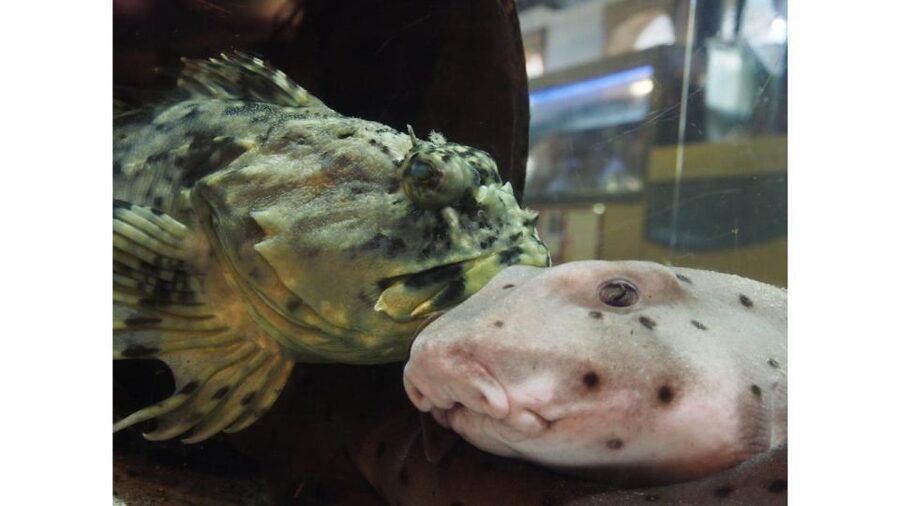
I would recommend this experience most to:
- Families with younger children who enjoy touch tanks
- People interested in Pacific marine life and ocean protection
- Visitors already exploring Santa Monica
- Anyone who prefers a small educational attraction to a large commercial aquarium
- People who want their admission to support conservation work
You may want to skip it if you expect a large collection, dramatic lighting, or several hours of entertainment. The displays are limited, and lighting may not always show the fish clearly. A major aquarium will offer more scale and variety.
This can also work for adults who care about local environmental issues, though the short visit means you should value the mission as much as the exhibits. The aquarium is at its best when you treat it as a compact learning stop with a practical message.
Planning your Santa Monica stop
There is no hotel pickup or drop-off, and food and drinks are not included. Plan to reach the aquarium on your own and combine the visit with other Santa Monica activities.
The booking is valid for one day, with starting times based on availability. You can reserve now and pay later, which helps if your Los Angeles schedule is still changing. You can also cancel up to 24 hours in advance for a full refund under the stated policy.
Because the aquarium is small, timing matters more than transportation arrangements. Try to visit when a touch-tank activity or feeding session may be taking place, but remember that no fixed schedule is supplied.
Children 12 and under must have an adult with them. That rule is simple, but important if older children are not traveling with a parent or another adult.
A realistic visit plan
Start by asking staff what is happening that day. Find out if there is an eel feeding, a presentation, or a touch-tank activity. This quick question can help you decide whether to spend 15 minutes looking around or stay longer.
Move through the Pacific exhibits slowly enough to notice the habitat connections. Look for how the displays present kelp forests and the animals living among them. Then spend time at the touch tanks, following every instruction from staff.
Finish with the conservation message. Think about what the aquarium is asking you to do beyond the visit, from supporting sustainable practices to paying closer attention to the condition of the Pacific.
Afterward, the nearby ocean gives you a natural follow-up. You will not see the same controlled exhibits on the shoreline, but you can look at the Pacific with a better sense of the life and systems beneath its surface.
Should you book Heal the Bay Aquarium?
Book it if you want a short, hands-on Pacific marine experience in Santa Monica and you like supporting conservation work. The touch tanks, helpful staff, and chance to see an eel feeding give the visit more character than its small size might suggest.
Do not book it expecting a full-day aquarium. You may finish in about 15 minutes, and the number of tanks is limited. At $10, the ticket makes the most sense as part of a Santa Monica day, especially for families because children 12 and under enter free.
My practical advice is simple: reserve if the mission and touch tanks appeal to you, then check the day’s program when you arrive. If you need a large collection of sea life, spend your time and money elsewhere.
FAQ
How much does admission to Heal the Bay Aquarium cost?
Admission costs $10 per person. Children 12 and under enter free but must be accompanied by an adult.
How long does the aquarium visit last?
The activity is valid for one day, but the actual visit can be short. Some visitors may see the aquarium in about 15 minutes, while touch tanks and educational activities can extend your stay.
Can I touch marine life at the aquarium?
Yes. The aquarium offers various touch tanks where you can handle selected sea creatures under staff guidance.
Is food included with admission?
No. Food and drinks are not included.
Is transportation provided from my hotel?
No. Hotel pickup and drop-off are not included, so you must make your own way to the aquarium in Santa Monica.
What language are the staff and programs in?
The listed host or greeter language is English, and the available language for the experience is English.
Just added around Los Angeles
- Los Angeles: Speakeasy Bar Hopping Tour with Drink★ 4.7 · 3 reviews
- Private Surf Lesson in Venice Beach, CA★ 5.0 · 3 reviews
- LA: Expo Park Space & Dinosaurs Tour with Cal Science Center★ 5.0 · 3 reviews
- Private Photo Tour of the Best Instagram Spots in Los Angeles★ 5.0 · 3 reviews
- Santa Monica Superhero Exploration Game and Tour★ 5.0 · 3 reviews
- Private Hollywood Sign Hiking Tour with Select Hotel Pickup★ 5.0 · 3 reviews
- Private 5-Hour Limo Tour of Los Angeles and Beach Cities★ 3.5 · 3 reviews
- Hooray for Hollywood: 35-Minute Helicopter Tour★ 4.7 · 3 reviews
Santa Monica Tours, compared.

Full-Day LA Tour: Santa Monica, Hollywood and Beverly Hills
Read our review →
Perfect 5 ½ Hour LA & Hollywood Tour from Santa Monica
Read our review →
Small-Group Electric Bike Tour of Santa Monica and Venice
Read our review →
Half Day Best of Los Angeles Tour from Santa Monica
Read our review →
All Day LA Tour: Hollywood, Beverly Hills and Santa Monica
Read our review →

Hollywood, Beverly Hills, & Celebrity Home Tour from Santa Monica
Read our review →
Browse the lists this tour appears in