
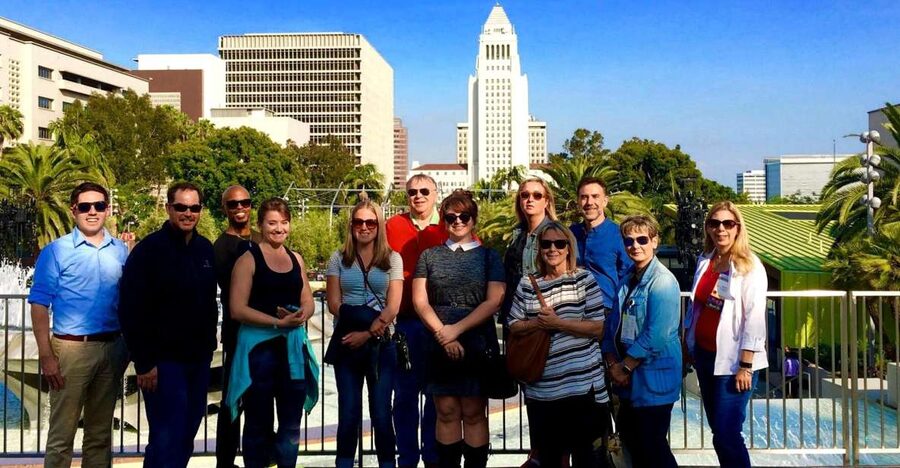
Reviewed · DOWNTOWN LA TOURS
Downtown Los Angeles: Culture and Arts Walking Tour
Downtown Los Angeles has more layers than its freeway reputation suggests. In two hours, this walking tour links Spanish colonial roots, the old Red Line, Angels Flight, Grand Central Market, Olvera Street, and landmark buildings from the Bradbury Building to Union Station. It gives you a useful first map of a district many visitors otherwise see only through a car window.
I like the way the tour connects public transportation and car culture, rather than treating LA as a city with no workable transit. I also like the mix of architecture, food stops, civic buildings, and street life. The drawback is simple: two hours is a brisk time for such a large subject, and you will see museums and markets without admission or meal costs included.
In This Review
- Key points
- Why this downtown walk is worth your morning
- Starting on Spring Street with LA’s transit story
- The Last Bookstore, the Bradbury Building, and Grand Central Market
- Grand Avenue’s concert halls and museums
- The Civic Center and the people who shaped the city
- Olvera Street and the Spanish roots of Los Angeles
- Union Station, the Grand Central of the West
- The pace, walking demands, and what to bring
- How the guides shape the experience
- Who should book this $39 experience?
- Should you book the Downtown Los Angeles Culture and Arts Walking Tour?
- FAQ
- Where does the Downtown Los Angeles walking tour begin?
- Where does the tour finish?
- How long does the walking tour last?
- What language is the tour conducted in?
- Are meals, drinks, or museum entrance fees included?
- What should I bring, and what is not allowed?
Key points
- A point-to-point walk: Begin at 541 South Spring Street and finish near Union Station at 800 Alameda Street.
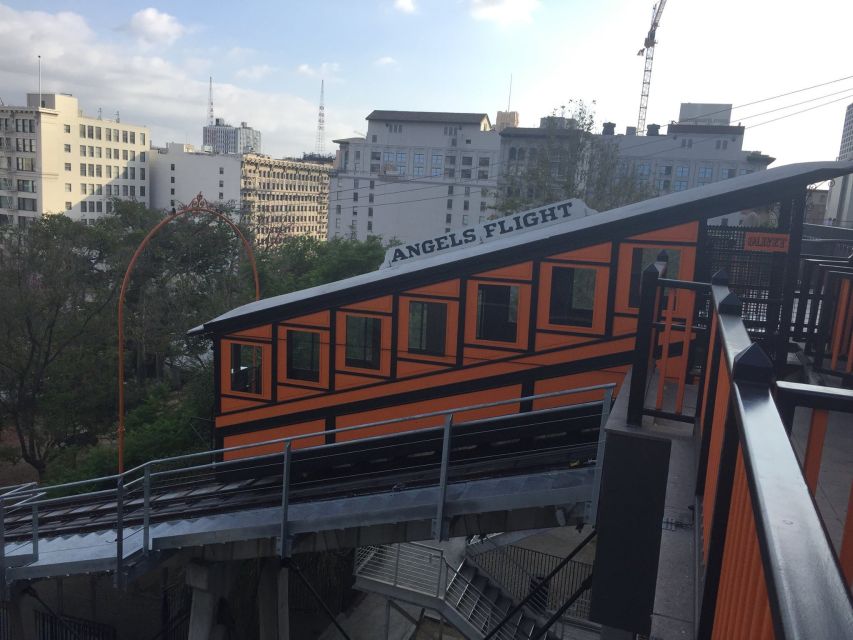
- A transit lesson with real places: Learn about LA’s original Red Line before seeing Angels Flight in action.
- Architecture across several eras: See the Bradbury Building, Walt Disney Concert Hall, The Broad, the US Bank Tower, and Union Station.
- Food and browsing stops: Pass through The Last Bookstore and Grand Central Market, with time for a food break during some tours.
- A broader LA story: Cover Spanish rule, Pio Pico, Olvera Street, civic leaders, arts institutions, and downtown gentrification.
- Strong guide-led format: Paul, Matt, Sam, Chris, and Phil have all led recent tours, with clear speaking and lively storytelling often singled out as a strength.
Why this downtown walk is worth your morning
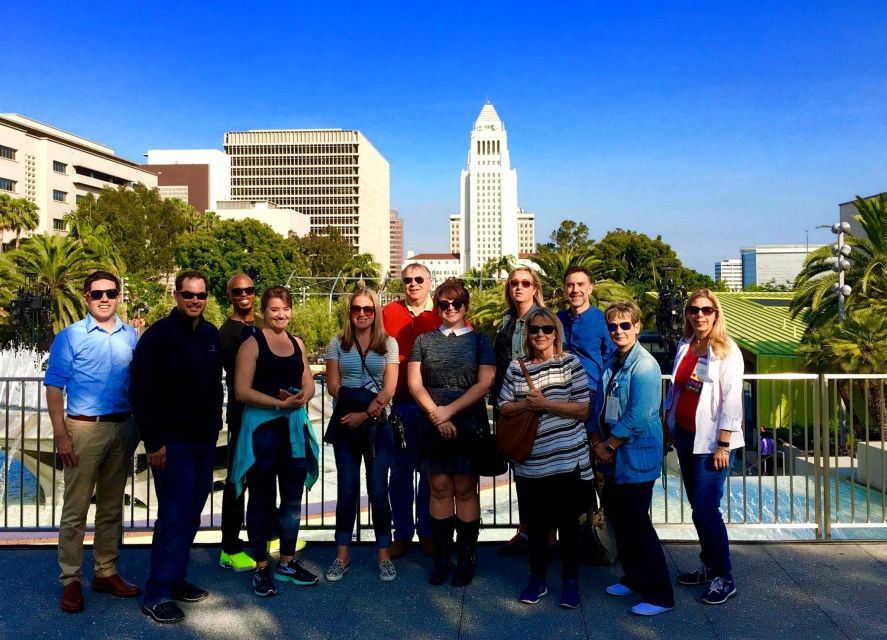
This is not a tour that treats downtown as a string of photo stops. Its real value is the way it explains why Los Angeles looks and works as it does.
You begin with transportation, which is a smart choice. LA’s identity was shaped by a long contest between rail lines and private cars. The tour explains the decline of the original Red Line and introduces the larger public transportation system that many people overlook. That context makes the city’s traffic, spread-out neighborhoods, and current rail network easier to understand.
You also get a useful sense of change. Downtown has shifted sharply in recent years, with old commercial blocks, creative spaces, public institutions, new housing, and long-standing communities sharing the same few streets. The discussion of gentrification gives the walk some needed balance. You are not asked to see every renovation as a simple success story.
At $39 per person, the tour is priced reasonably for a live, two-hour city walk. You are paying mainly for the guide’s interpretation and route planning, not for museum access or food. If you want a detailed introduction before exploring downtown alone, the price makes sense. If you prefer to linger inside every building or stop for a full meal, the fixed two-hour schedule may feel tight.
More Downtown LA walks:
- Downtown Los Angeles Food Tour
★ 5.0 · 501 reviews - Old and New Downtown Los Angeles Walking Tour
★ 5.0 · 222 reviews - Culture and Arts Tour of Downtown LA with Angels Flight Ticket
★ 5.0 · 142 reviews
Starting on Spring Street with LA’s transit story
The meeting point is outside the Spring Arcade building at 541 South Spring Street, Los Angeles, California 90013. Arrive ready to walk, since the tour finishes in a different part of downtown rather than returning to the starting point.
Spring Street is a good place to begin because the area lets the guide move quickly into the city’s past and present. The opening talk focuses on public transportation and the struggle between mass transit and car culture. That may sound like a dry introduction, but it gives you a useful lens for the rest of the walk.
You will hear about the original Red Line and the decline of LA’s earlier rail network. The point is not just to memorize transit facts. It is to understand why a city with a large population and major cultural institutions became so dependent on roads, and why the modern Metro system matters today.
The route is especially useful if you are staying in downtown or planning to use LA’s trains later. After this walk, subway lines and downtown rail connections should feel less mysterious. The tour does not turn you into a local commuter in two hours, but it gives you enough background to make better use of the system.
The Last Bookstore, the Bradbury Building, and Grand Central Market
The next section brings together three very different downtown addresses: The Last Bookstore, the Bradbury Building, and Grand Central Market.
The Last Bookstore is a distinctly modern downtown institution, known for books, browsing, and an atmosphere that feels more personal than a standard chain shop. The tour uses it as part of the district’s cultural story. You may have time to look around, but do not expect a long shopping visit within a two-hour route.
The Bradbury Building shifts the mood. Its interior is one of the city’s best-known architectural spaces, with a dramatic central court, ironwork, staircases, and filtered light. The building helps show how downtown can place a striking historic structure beside later office towers and renovated commercial spaces.
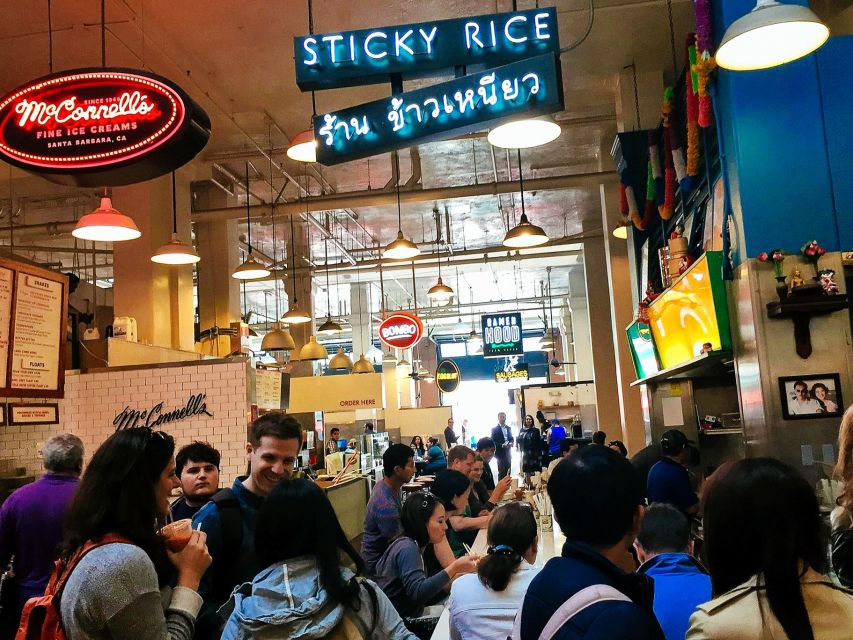
The route also includes Grand Central Market, one of the most practical stops for understanding downtown as a place where people actually eat and shop. It adds a food angle to a tour otherwise full of buildings and civic history. Some tours include a food break, but meals and drinks are not part of the $39 price, so bring money if you want to sample something.
This part of the walk can be crowded and active, and the pace may not suit you if you want to browse every stall or spend an hour inside the bookstore. Think of these stops as introductions. You can return later with a free afternoon.
Grand Avenue’s concert halls and museums
The route then heads toward Grand Avenue, where Los Angeles puts much of its major arts infrastructure on display.
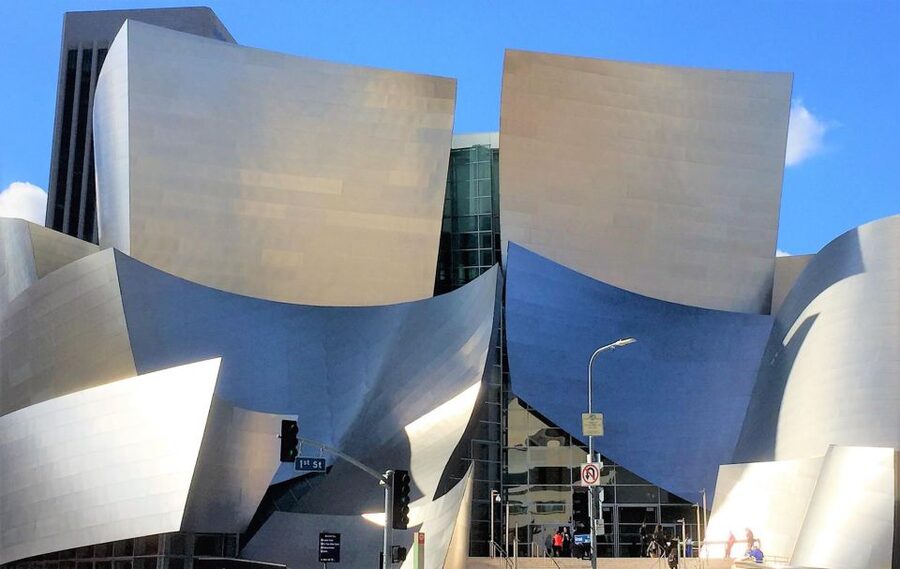
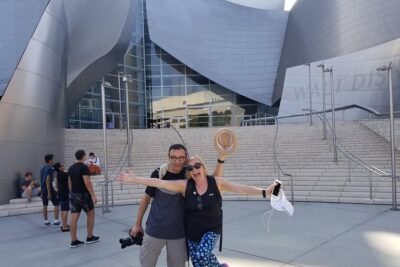
The Walt Disney Concert Hall is the visual star of this stretch. Its sweeping metal exterior is impossible to confuse with the older masonry buildings nearby. The tour explains the building as part of the city’s effort to create a major arts center downtown, not simply as a place to take a quick photograph.
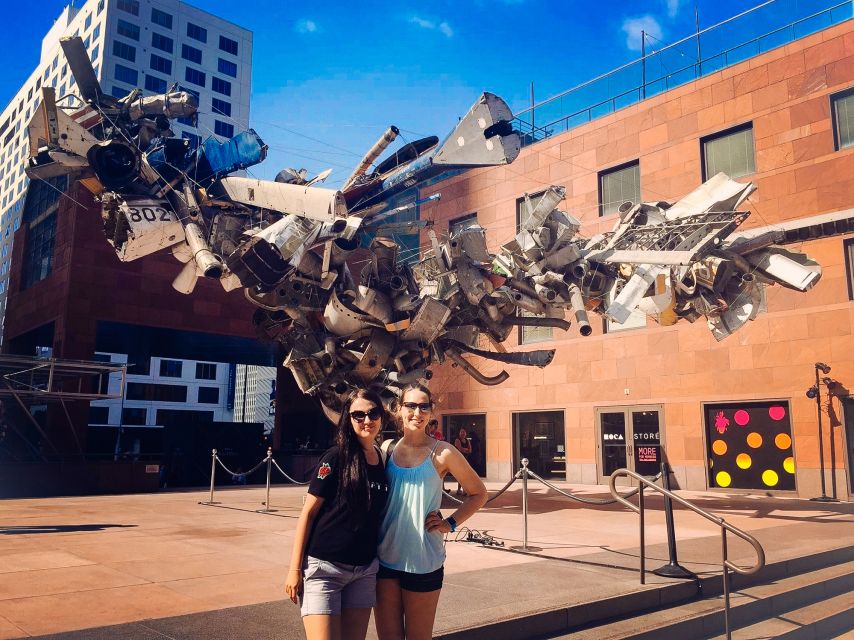
You will also see the Music Pavilion, the Museum of Contemporary Art, and The Broad. Together, these institutions show how downtown has become a serious destination for music, modern art, and large cultural projects. You will pass the US Bank Tower as well, another reminder that downtown is not one period frozen in place. Its skyline mixes civic buildings, early commercial architecture, postwar towers, and new cultural landmarks.
The tour does not include museum entrance fees. That is worth planning around. You can enjoy the exteriors and hear the story of the institutions during the walk, then choose later whether The Broad or the Museum of Contemporary Art deserves its own visit.
I like this section because it makes the arts district feel connected to the rest of downtown. You are not simply hopping from one famous building to another. You are seeing how public investment, private development, tourism, and local life have changed the center of LA.
A few more Los Angeles trips worth weighing up
- Los Angeles Original 90-Minute Walking Tour to The Hollywood Sign
★ 5.0 · 693 reviews - The ORIGINAL Downtown Santa Barbara Walking Food & Drink Tour
★ 5.0 · 551 reviews - Hollywood Stars Tour: Walk of Fame, Celebrity Homes, Sunset Strip
★ 4.0 · 341 reviews - LA: Express Hollywood Sign Guided Walking Tour with Photos
★ 4.9 · 310 reviews
The Civic Center and the people who shaped the city
The Civic Center section explains the administrative side of Los Angeles. Here, the focus moves from theaters and markets to the offices and institutions that keep a huge city operating.
You will hear about former Mayor Tom Bradley and retired police chief William Parker, along with the civic decisions and personalities that shaped downtown. These names help put a human face on city government and law enforcement. The stories also show that LA’s development was not driven only by architects, developers, and entertainers.
This part may be less visually dramatic than Grand Avenue, especially if you are mainly seeking famous photo locations. Its value is explanatory. You start to see downtown as the seat of municipal power, not just a collection of old buildings and new attractions.
The guide’s delivery matters here. Paul has led the walk with a clear voice and a fast but manageable pace, while Phil has been praised for explaining downtown’s past in an accommodating way. Sam, Matt, and Chris have also guided recent departures. Guide assignments can change, but the best version of this tour depends on someone who can keep names, dates, politics, and street-level details moving without turning the walk into a lecture.
Olvera Street and the Spanish roots of Los Angeles
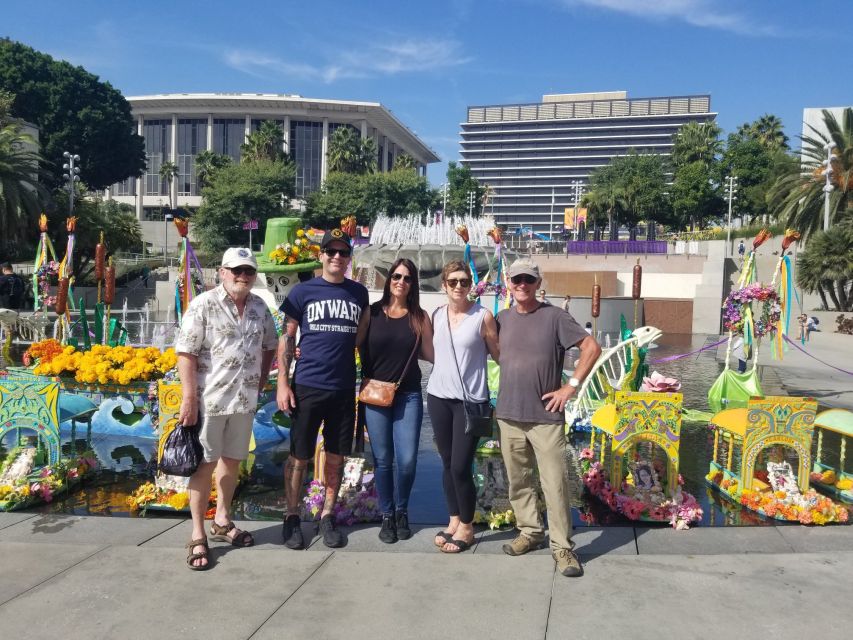
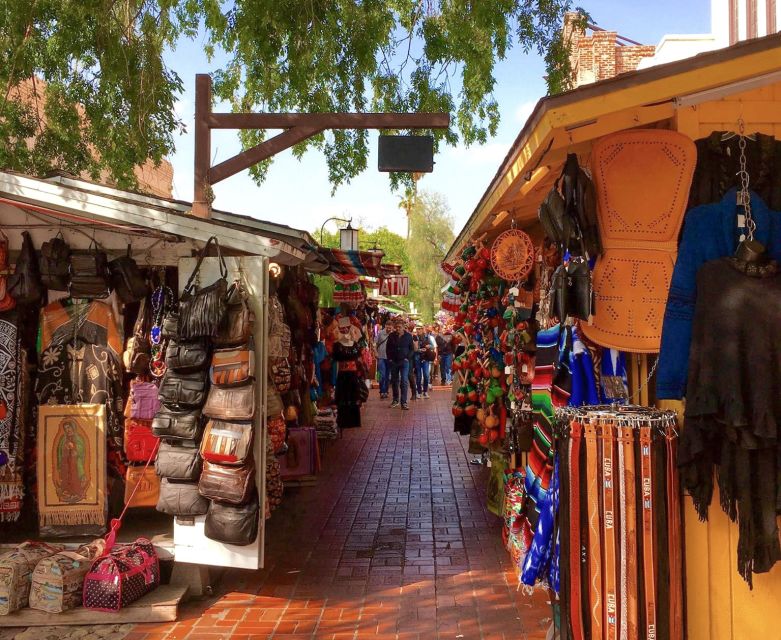
Olvera Street provides the tour’s clearest link to the earliest Spanish and Mexican chapters of Los Angeles.
This is described as the oldest street in the city, and it offers a very different atmosphere from the financial blocks, concert halls, and high-rise towers earlier in the route. Here, the guide discusses the original settlers, the Spanish Empire, the city’s name, Pio Pico, and the idea of pueblo life in early Los Angeles.
The historical shift is important. Los Angeles did not begin as a movie city or a highway metropolis. Its story includes Spanish colonization, Mexican rule, local political power, and the people who helped build the settlement before American expansion transformed it.
Olvera Street can also feel more visitor-oriented than other parts of downtown, with shops, food, and a strong historic presentation. That does not make it unimportant, but you should understand that the stop is an introduction to the city’s early identity rather than a full reconstruction of daily life in the pueblo.
I find this section useful because it prevents the tour from making downtown’s story begin with skyscrapers. It also helps explain why the city’s name, streets, districts, and cultural traditions carry Spanish and Mexican influences.
Union Station, the Grand Central of the West
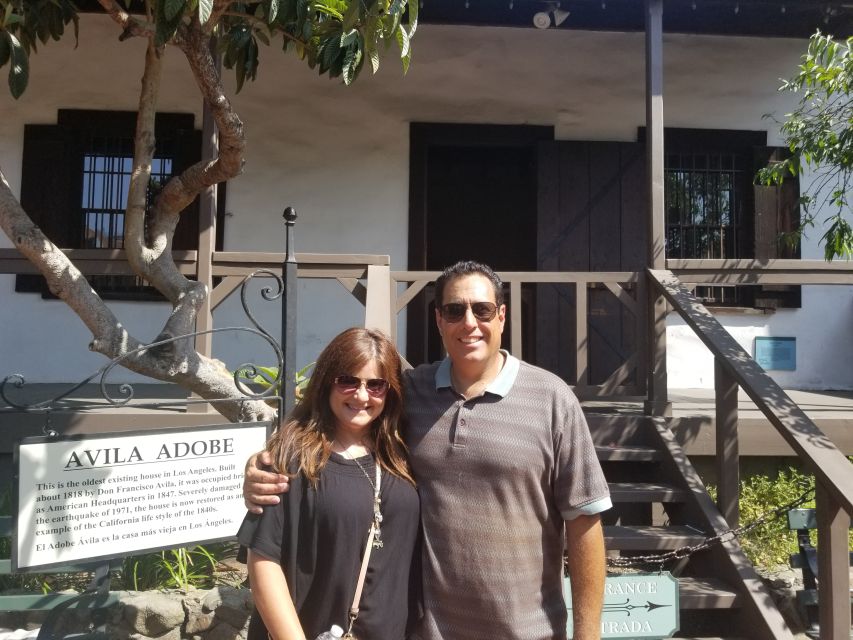
The final stop is Union Station, at 800 Alameda Street, Los Angeles, California 90012. The tour ends here, so you can continue exploring the station, walk toward nearby attractions, or use public transportation afterward.
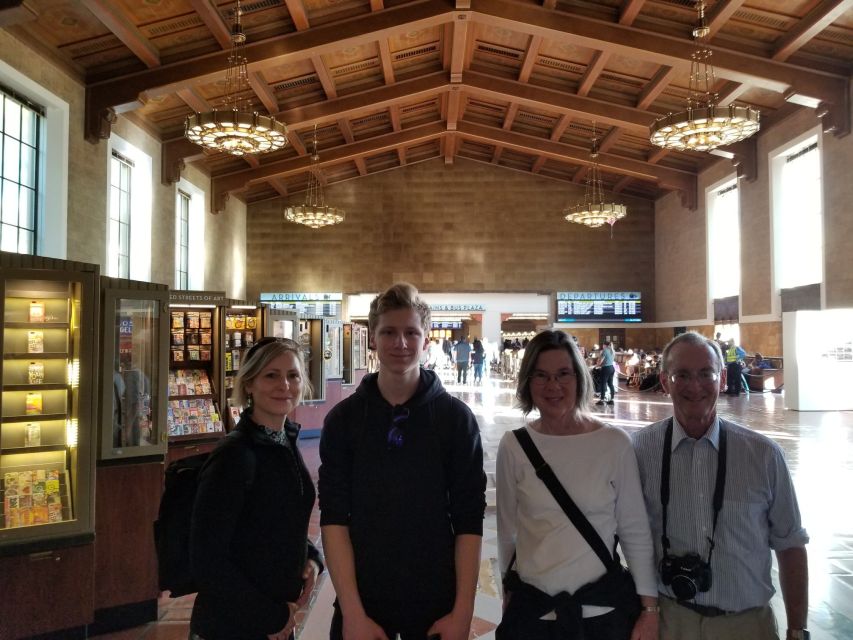
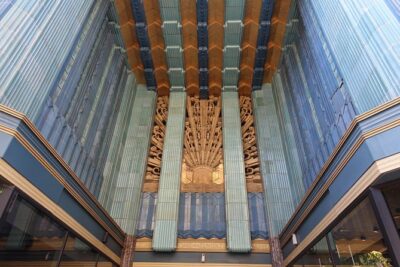
Union Station is one of the strongest closing points in the city. Its design blends Mission Revival and Art Deco elements, creating a building that feels both grand and distinctly Southern Californian. Inside, the waiting areas and architectural details make it more than a place to catch a train.
The guide presents Union Station as the Grand Central of the West and explains its role as a major transportation hub. That brings the tour back to its opening subject. You start by hearing about the conflict between rail and car culture, then finish at a building that shows how rail travel once helped organize the region.
Because the route ends at the station, the finish feels practical rather than ceremonial. You are left with a useful transit location and a better idea of how downtown connects to the wider city. If you are planning to visit from another part of LA by train or Metro, this ending can be especially handy.
The pace, walking demands, and what to bring
The tour lasts two hours and covers several downtown districts. You should wear comfortable shoes, as requested, and expect steady walking on city streets. The route includes sightseeing and stops rather than long seated talks.
Do not bring luggage or a large bag. That rule matters more here than it might on a bus tour. Large bags can make crowded market areas, sidewalks, and interior spaces awkward, and the walk is not designed around storing your belongings.
A food break may occur, but meals and drinks are not included. You might want to eat before the tour or carry a small amount of money for Grand Central Market. Since the route ends at Union Station, you can also plan a meal or onward trip after the walk.
The tour is conducted in English with a live guide. Clear delivery has been a repeated strength, including guides who speak loudly enough for the whole group to follow. Teenagers can handle the walk, especially if they enjoy buildings, food, or stories with a city-planning angle, but younger children may find the civic and transit material slow.
How the guides shape the experience
The guide is the main reason to book this rather than simply follow a downtown map.
Paul has led several departures and is known for combining architecture with history while keeping the walk moving. Matt brings a strong sense of affection for downtown and explains why the area matters. Sam has guided the route in an informed, engaging style, while Chris and Phil have also received praise for their explanations and friendly manner.
You should not expect every guide to tell the tour in exactly the same way. That is normal for a walking experience. What matters is the route’s range: transit, architecture, food, city government, Spanish roots, and current change give a good guide plenty to work with.
The strongest departures appear to balance facts with stories. You will get more from the walk if you ask questions about the Red Line, downtown restoration, gentrification, or which buildings merit a return visit. The format leaves room for that, though the two-hour limit means the guide must keep moving.
Who should book this $39 experience?
I would choose this tour if you are visiting LA for the first time and want downtown to make sense quickly. It is also useful if you have been to the city before but have mostly stayed around Hollywood, Santa Monica, or the beaches. One recent participant had already visited LA and still found unfamiliar sights and fresh stories on this route.
It suits travelers who like architecture, urban history, food markets, arts institutions, and public transportation. It can also work well for local residents who want a compact introduction to downtown for visiting friends.
You may want a different plan if your priority is museum interiors, long meals, shopping, or a slow photography walk. The tour passes many places worth extra time, but it cannot provide that time itself. You should treat it as a guided orientation, then return to your favorite stops independently.
Booking is flexible: you can cancel up to 24 hours before the activity for a full refund, and reserve now while paying later. Starting times vary, so check availability before choosing your day.
Should you book the Downtown Los Angeles Culture and Arts Walking Tour?
Book it if you want the city’s famous buildings placed in context. The best parts are the transit story, the sharp contrast between the Bradbury Building and Walt Disney Concert Hall, the food and book stops, and the route’s clear movement from Spanish-era Los Angeles to modern downtown redevelopment.
At $39, it offers good value for a live two-hour introduction, especially with a strong guide such as Paul, Matt, Sam, Chris, or Phil. Just wear good shoes, skip the large luggage, budget separately for food and museum entry, and accept that the pace will be brisk.
For a first look at downtown, this is a sensible choice. It will not cover every neighborhood or settle every debate about gentrification, but it will leave you better prepared to explore LA on foot and by rail instead of seeing the city only through a windshield.
FAQ
Where does the Downtown Los Angeles walking tour begin?
It begins outside the Spring Arcade building at 541 South Spring Street, Los Angeles, CA 90013.
Where does the tour finish?
The tour finishes at 800 Alameda Street, Los Angeles, CA 90012, near Union Station.
How long does the walking tour last?
The experience lasts two hours.
What language is the tour conducted in?
The tour is conducted in English with a live English-speaking guide.
Are meals, drinks, or museum entrance fees included?
No. Meals, drinks, and entrance fees to museums are not included. A food break may be part of the walk, so you should budget separately if you want to eat.
What should I bring, and what is not allowed?
Bring comfortable shoes. Luggage and large bags are not allowed.
Just added around Los Angeles
- Los Angeles: Speakeasy Bar Hopping Tour with Drink★ 4.7 · 3 reviews
- Private Surf Lesson in Venice Beach, CA★ 5.0 · 3 reviews
- LA: Expo Park Space & Dinosaurs Tour with Cal Science Center★ 5.0 · 3 reviews
- Private Photo Tour of the Best Instagram Spots in Los Angeles★ 5.0 · 3 reviews
- Santa Monica Superhero Exploration Game and Tour★ 5.0 · 3 reviews
- Private Hollywood Sign Hiking Tour with Select Hotel Pickup★ 5.0 · 3 reviews
- Private 5-Hour Limo Tour of Los Angeles and Beach Cities★ 3.5 · 3 reviews
- Hooray for Hollywood: 35-Minute Helicopter Tour★ 4.7 · 3 reviews
Downtown LA Tours, compared.
Culture and Arts Tour of Downtown LA with Angels Flight Ticket
Read our review →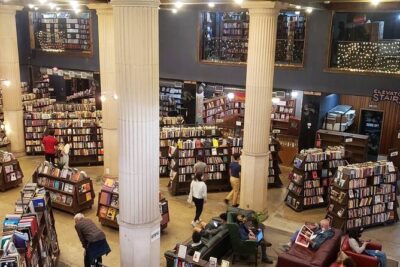
The History and Architecture of Downtown Los Angeles
Read our review →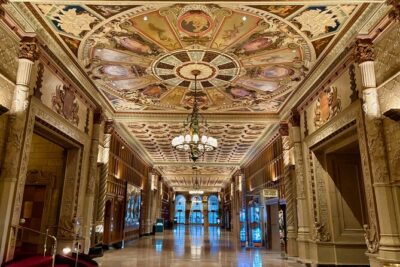
Downtown Los Angeles History and Architecture Walking Tour
Read our review →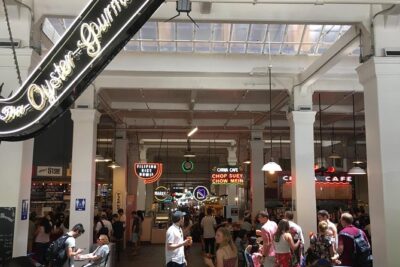
The History and Architecture of Downtown Los Angeles
Read our review →Browse the lists this tour appears in