
Reviewed · GETTY & ART MUSEUMS
Getty Center Tours for KIDS and FAMILIES!
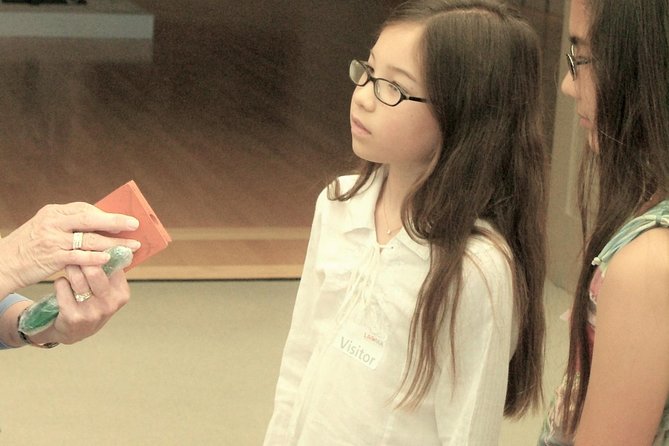
The best thing about this Getty Center tour is its child-sized approach to art. Instead of asking your eight-year-old to quietly stare at paintings, the guide uses color, line, composition, and perspective to show how artists make pictures work. Sculpture and the story behind each artwork also become part of the conversation.
I like the private format and the clear takeaway: your child leaves with tools that can work at other museums, not just the Getty. I also like the small touches, including an Art Appreciation Badge, stroller and wheelchair access, and sanitized assisted-listening devices. The main drawback is the one-hour limit. It is a focused introduction, not a full tour of the Getty Center.
In This Review
- Key details before you book
- Why this Getty tour works for children
- Inside the Getty Center, one focused hour
- A private group can change the pace
- What your child can carry to the next museum
- Guides who connect with children and parents
- Timing, tickets, and the practical side
- Who should book this Getty experience?
- Cancellation and booking points
- Should you book the Getty kids tour?
- FAQ
- Where does the tour take place?
- How long does the experience last?
- How much does the tour cost?
- Is museum admission included?
- What will children learn during the tour?
- Does each child receive a souvenir?
- Are strollers and wheelchairs available?
- Are food and drinks allowed in the galleries?
- Can I cancel for a full refund?
Key details before you book
- A private family format: The tour is designed for your own group, with the stated base arrangement covering up to six people. Larger groups cost extra.
- Art taught through action: Children explore color, lines, composition, perspective, sculpture forms, and the stories behind artworks.
- A real starting point for young museumgoers: The guide explains ideas your child can use at other art museums.
- A one-hour visit: The short length helps hold a child’s attention, but you will not see everything at the Getty Center.
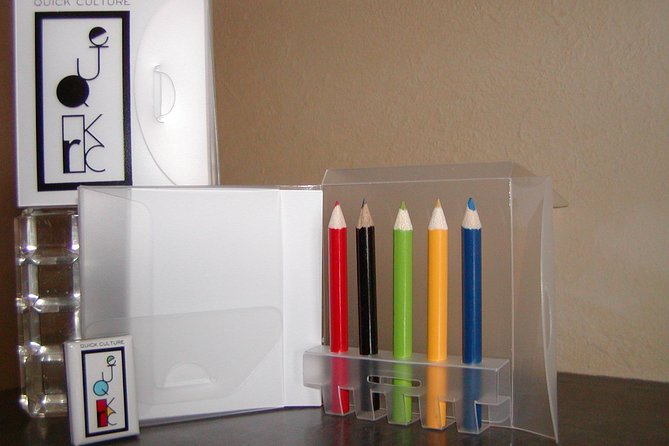
- A small souvenir with meaning: Each child receives an Art Appreciation Badge, along with an art gift.
- Family-friendly practical support: Strollers, wheelchairs, service animals, and assisted-listening devices are accommodated.
Why this Getty tour works for children
A large art museum can be a tough sell for a child. The Getty Center has many works to see, but children do not automatically know how to look at them. This tour gives them a set of simple questions and visual clues.
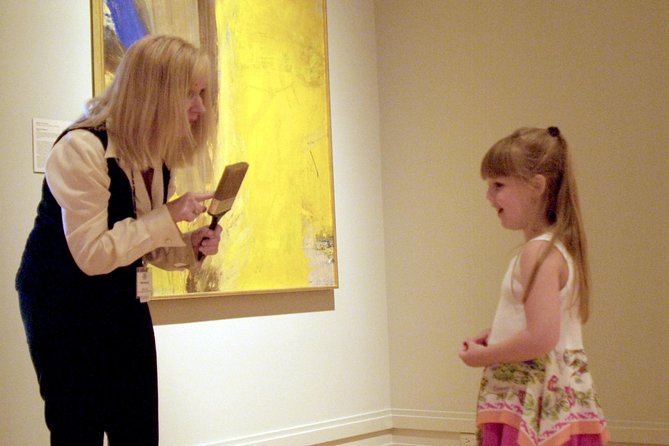
Your child may be asked to notice where a line leads, how colors affect a scene, or how an artist creates the feeling of distance. Sculpture can be discussed through form and shape. The guide also connects an artwork to its historical or narrative setting, so the piece is not treated as a silent object on a wall.
That approach matters. A child does not need a long lecture on art history to have a good museum visit. A child needs a reason to look closely, a chance to respond, and an adult who can turn a question into a useful discovery. The tour is built around those needs.
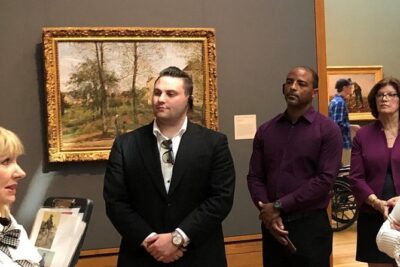
The strongest sign of its appeal is what happened after a tour led by Sacha. An eight-year-old became interested in Impressionist art after the visit. That is a meaningful result: the tour did not just fill an hour, it opened a door to another style of art.
Another family worked with Ellen, whose explanations of the museum and the artworks added depth for both a fifth-grade child and a parent. That is an important point for booking. The tour is aimed at children, but adults do not have to switch off. You can learn along with your child.
More Getty and art museum visits:
- Private Getty Center to Griffith Observatory Guided Tour
★ 5.0 · 185 reviews - Los Angeles: Getty Center Guided Tour
★ 4.9 · 57 reviews - Demystifying Art at The Getty – 90 minutes
★ 5.0 · 31 reviews
Inside the Getty Center, one focused hour
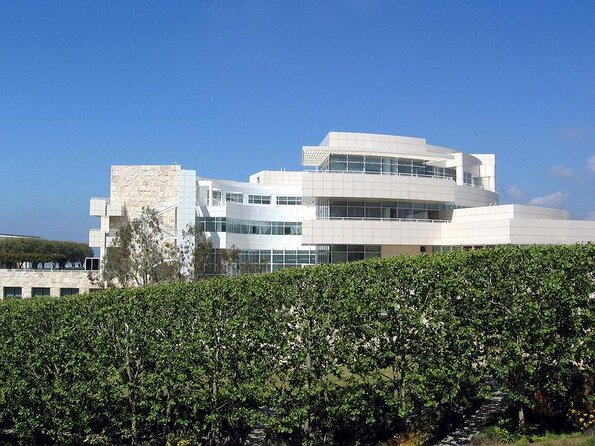
The activity takes place at the Getty Center, with museum admission included. The supplied details identify one main stop, so you should think of this as a concentrated introduction rather than a building-wide expedition.
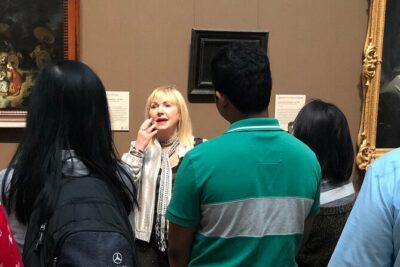
The guide leads your group through art using visual and tactile methods. That can mean looking closely at how a painting is organized, considering how a sculpture takes up space, or using physical examples to make an idea easier to understand. The exact artworks may vary, so I would not book this expecting a fixed checklist of famous pieces.
The value comes from the method. A guide can use one artwork to explain several ideas at once. You might look at color first, then composition, then the story taking place in the scene. That makes the visit feel connected instead of like a string of unrelated stops.
Perspective is especially useful for children because it links art to something they already understand: the way nearby and distant objects look different. Line and composition offer another practical entry point. Once a child begins spotting those choices, a museum visit becomes less about guessing the correct answer and more about noticing how an artist made decisions.
Sculpture gives the tour a different kind of activity. Children can think about shape, form, and the way a work appears from different positions. The information does not promise a hands-on session with museum objects, so do not assume touching artworks is allowed. The tactile approach is described as a teaching method, not permission to handle gallery pieces.
The historical and narrative side keeps the tour from becoming a purely technical lesson. Your child can learn not only how an artwork looks, but also what story it tells and where it fits in its time. That balance should help children who prefer stories as much as those who enjoy visual puzzles.
A private group can change the pace
The private setup is one of the tour’s best features. Your guide can speak directly to your family rather than trying to hold the attention of a large public group. If your child has a sharp question, the conversation can follow it for a moment.
The base details describe a private group of up to six people, while the general tour information also refers to groups of up to 12 and notes an added cost for groups over six. For a larger family, confirm the exact group limit and final price before booking. The safest reading is that six is the included base size and that additional people cost extra.
A private tour also helps when children have different ages or interests. One child may respond to color, another to sculpture, and an adult may want more background on the Getty or the artist. The guide can give each person room to participate, within the limits of a one-hour visit.
The drawback is cost. At $175 per group, this is not the cheapest way to enter a museum if you are traveling with only one child and one adult. The value improves when you fill the group, since the price is not listed per person for the base arrangement.
For six people, the starting price works out to about $29 per person. For a smaller group, the per-person cost rises quickly. You are paying for a private guide and a child-centered lesson, not simply admission. That makes the tour a better fit for families who want structure and guidance than for those happy to wander independently.
What your child can carry to the next museum
The tour’s most useful promise is that the skills apply beyond the Getty Center. Your child can learn to ask:
- What colors do I notice first?
- Where do the lines lead my eyes?
- How is the artwork arranged?
- How does the artist show distance?
- What shapes and forms make up this sculpture?
- What story or historical setting is connected to the work?
These are simple questions, but they change the experience of looking at art. Your child no longer needs to know the artist’s name before having something worthwhile to say.
That can also make later museum visits easier. If your family visits another art museum, you can bring back the same ideas about color, line, composition, perspective, and form. The Art Appreciation Badge then works as more than a souvenir. It marks the moment when your child began to feel capable in a museum.
Do not expect the tour to turn a reluctant child into an art expert in one hour. A better goal is to give your child one or two strong habits of looking. If those habits lead to an interest in Impressionism, sculpture, or another style, the visit has done its job.
A different kind of day out, same stretch of Southern California:
- Full-Day Iconic Sights of LA, Hollywood, Beverly Hills, Beaches and More
★ 5.0 · 6,147 reviews - Warner Bros. Studio Tour Hollywood
★ 4.5 · 5,246 reviews - Hollywood, Beverly Hills & Celebrity Homes Tour by Open Air Bus
★ 5.0 · 2,557 reviews - Hollywood Sign 2.5-Hour Tour with Comedians and Their Dogs
★ 5.0 · 2,496 reviews
Guides who connect with children and parents
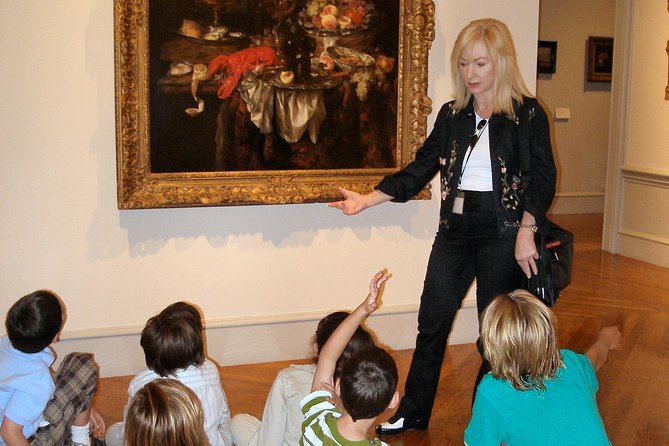
The guide can make or break a family museum tour. Sacha and Ellen are two guides associated with especially warm family experiences. Sacha’s tour held the interest of an eight-year-old and led to curiosity about Impressionist art. Ellen’s explanations worked for both a fifth-grade child and a parent, adding background without losing the child’s attention.
Guide availability may vary, so you should not assume that Sacha or Ellen will lead your booking. Still, these examples show the kind of service to look for: clear explanations, humor, room for questions, and enough subject knowledge to help adults without turning the visit into a lecture.
The strongest family guide does not talk down to children. Instead, the guide treats their observations as useful starting points. If your child gives an unexpected answer, that can become part of the lesson.
The time can pass quickly when the guide finds that balance. One family described the hour as flying by, which suggests a lively pace. That is good for children, though it also means the guide may need to move on before every question is fully explored.
Timing, tickets, and the practical side
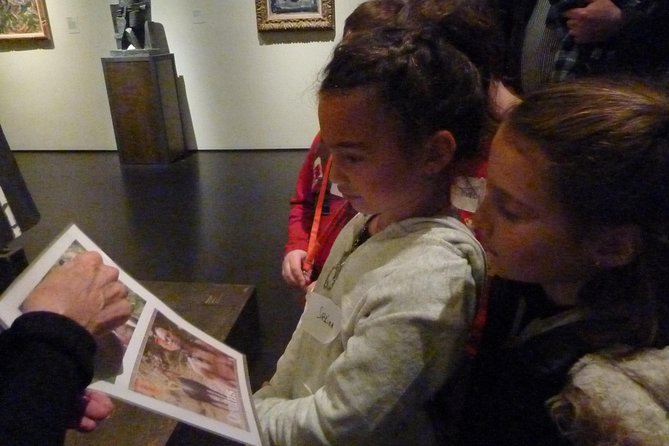
The tour lasts about one hour, and museum admission is included. Confirmation is sent within 48 hours of booking, subject to availability, so do not wait until the last possible moment if your schedule is tight. The experience is booked an average of 29 days ahead, which suggests that planning early is sensible.
You receive a mobile ticket. The Getty Center is near public transportation, so you have an alternative to driving. Parking is not included, and parking fees can add a noticeable cost to the outing. Factor that into the $175 tour price before comparing it with a self-guided visit.
Food is another planning point. Cafeterias and snack areas are on site, but food and drinks are not allowed in the galleries. Plan to eat before or after the tour, or use the appropriate snack area rather than trying to carry refreshments through the exhibition spaces.
The tour can accommodate strollers and wheelchairs, and service animals are allowed. Most people can participate. Sanitized assisted-listening devices are included, which may be helpful for families who need them. A translator is not included, and a translator fee applies if one is needed.
Since the activity is short, arrive ready to begin. A delayed start would take a large share of your museum time. Keep your child’s expectations simple: this is a guided look at selected art, not a race through every gallery.
Who should book this Getty experience?
I would recommend it most for families with elementary-school-age children, especially children who are new to art museums. The examples connected to an eight-year-old and a fifth-grade child suggest that this age range is a strong fit.
It also suits parents who want to enjoy the museum themselves but are not sure how to keep a child engaged. You do not need to prepare an art lesson in advance. The guide supplies the structure, while you can join the discussion and help your child make connections.
This is a good choice for a child who likes asking questions, drawing, stories, colors, or making observations. It may also help a child who has decided that museums are boring, since the tour uses activities and conversation rather than silent looking alone.
I would be more cautious if your family wants a long, detailed Getty Center tour. One hour will not cover the full collection, and the child-focused approach may feel basic to an adult who already knows a great deal about art.
The tour is also less attractive if you are mainly seeking the lowest possible price. The museum admission is included, but $175 is a serious charge for a one-hour private activity. Fill the group when possible, and compare the cost with what your family would realistically gain from exploring on its own.
Cancellation and booking points
You can cancel free of charge up to 24 hours before the experience begins for a full refund. Cancellations made less than 24 hours before the start time are not refunded, and changes within that period are not accepted.
The cut-off follows local Los Angeles time. That detail matters if you are booking from another time zone. Confirmation arrives within 48 hours, subject to availability, so check that your booking is confirmed before building the rest of your day around it.
Should you book the Getty kids tour?
Book this tour if you want your child to learn how to look at art, not simply walk past famous objects. The private format, practical art vocabulary, and guide-led conversation give the Getty visit a clear purpose. The Art Appreciation Badge and art gift add a pleasant finish without being the main reason to go.
The $175 price makes the most sense for a group of several people who value a private guide. If your family has only two people, or if you are comfortable creating your own questions in the galleries, a self-guided visit may be better value.
For a first museum experience, though, this is a thoughtful choice. A child who leaves curious about Impressionism, sculpture, or the next museum on your itinerary has gained something lasting from a single hour.
FAQ
Where does the tour take place?
The tour takes place at the Getty Center in Los Angeles, USA.
How long does the experience last?
The tour lasts approximately one hour.
How much does the tour cost?
The listed price is $175 per group. The base private arrangement is described as covering up to six people, and groups over six have an additional cost per person.
Is museum admission included?
Yes. Admission to the Getty Center is included.
What will children learn during the tour?
Children learn about color, line, composition, perspective, sculpture forms, and the historical or narrative context of artworks. The approach is intended to give them skills they can use at other art museums.
Does each child receive a souvenir?
Yes. Each child receives an Art Appreciation Badge. An art gift is also included.
Are strollers and wheelchairs available?
Yes. Stroller and wheelchair support are included.
Are food and drinks allowed in the galleries?
No. Cafeterias and snack areas are available on site, but food and drinks are not allowed in the galleries.
Can I cancel for a full refund?
Yes, if you cancel at least 24 hours before the experience start time. Cancellations made less than 24 hours in advance are not refunded, and changes during that period are not accepted.
Just added around Los Angeles
- Los Angeles: Speakeasy Bar Hopping Tour with Drink★ 4.7 · 3 reviews
- Private Surf Lesson in Venice Beach, CA★ 5.0 · 3 reviews
- LA: Expo Park Space & Dinosaurs Tour with Cal Science Center★ 5.0 · 3 reviews
- Private Photo Tour of the Best Instagram Spots in Los Angeles★ 5.0 · 3 reviews
- Santa Monica Superhero Exploration Game and Tour★ 5.0 · 3 reviews
- Private Hollywood Sign Hiking Tour with Select Hotel Pickup★ 5.0 · 3 reviews
- Private 5-Hour Limo Tour of Los Angeles and Beach Cities★ 3.5 · 3 reviews
- Hooray for Hollywood: 35-Minute Helicopter Tour★ 4.7 · 3 reviews
Getty & Art Museums, compared.
Private Getty Center to Griffith Observatory Guided Tour
Read our review →

Private Getty Center to Griffith Observatory Guided Tour
Read our review →
Downtown LA Arts Tour with MOCA, The Broad, and Infinity Room
Read our review →Browse the lists this tour appears in