

Reviewed · MUSEUMS
Los Angeles: Grammy Museum Entry Ticket
The GRAMMY Museum turns music history into something you can hear, touch, and test for yourself. Its four floors bring together award-show moments, stage costumes, instruments, recording technology, artist displays, and hands-on stations, with Sonic Playground giving you the best chance to make music rather than simply look at it.
I like the studio-style interactives, where you can use microphones, play with beat machines, and test your DJ skills. I also like the Mono to Immersive sound exhibit, which lets you compare how music has changed from early recordings to modern surround sound. The main caution is size: at $22, it is fairly priced, but the museum may feel small if you expect a huge national music museum, and some spaces or exhibits may be closed.
In This Review
- Key points
- Four Floors of Music in Downtown Los Angeles
- Start With Sonic Playground on the Second Floor
- Hear Music Change in Mono to Immersive
- Meet the Artists Through Objects and Special Exhibits
- Trace Genres From Blues to Hip-Hop
- Revisit Grammy Moments and the Award’s Story
- Take Photos From the Ray Charles Terrace
- How Long to Stay and What to Wear
- Is the $22 Ticket Good Value?
- Who Will Enjoy This Museum Most
- Practical Booking Advice
- Should You Book the GRAMMY Museum?
- FAQ
- How much does entry to the GRAMMY Museum cost?
- How long is the ticket valid?
- What is included with the ticket?
- Are food and drinks included?
- Is a guided tour included?
- Can I cancel for a refund?
- Can I reserve now and pay later?
- Is the museum wheelchair accessible?
- What should I bring?
Key points
- Seventeen hands-on music stations: Sonic Playground fills a 3,000-square-foot gallery with creative tools for beat-making, recording, and sound play.
- Four floors of music memorabilia: See displays connected to artists such as Michael Jackson, Taylor Swift, and Stevie Wonder.
- A useful sound-history stop: Mono to Immersive traces recorded sound from the 19th century to modern surround sound.
- Current artist exhibits change: Luther Vandross: Artistry and Elegance is among the featured displays, while past visits have included Selena, BTS, ATEEZ, and xikers.
- A Downtown Los Angeles rooftop view: The Ray Charles Terrace gives you a chance to photograph the Hollywood Sign.
- Best for curious music fans: You will get more from the ticket if you enjoy pressing buttons, listening closely, and taking your time with displays.
Four Floors of Music in Downtown Los Angeles
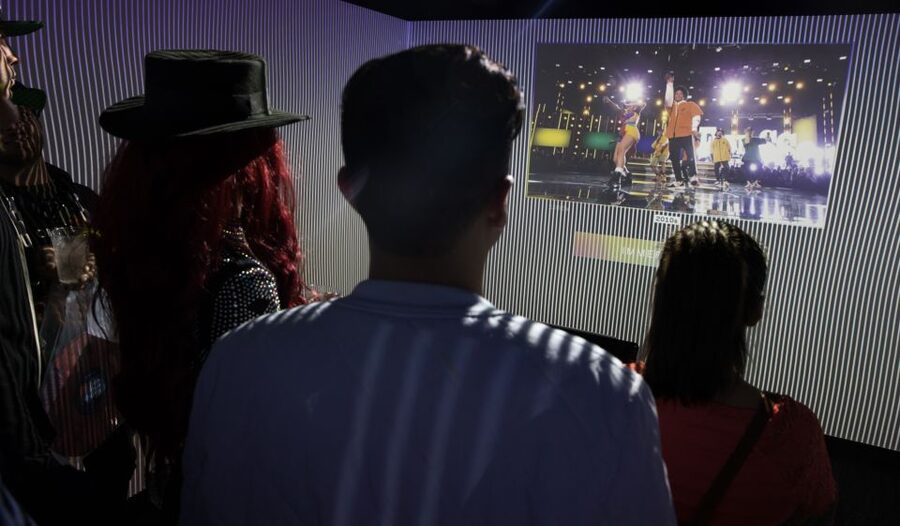
The GRAMMY Museum sits in Downtown Los Angeles and gives you a full day of access from your first activation. In practical terms, most people will probably use several hours rather than an entire day, but the one-day validity gives you breathing room if you are combining the museum with other Downtown plans.
The museum is arranged across four floors and covers far more than the Grammy Awards themselves. You will find displays tied to performers, musical genres, recording technology, clothing, instruments, photography, and major moments in popular music.
That variety is the museum’s main strength. You can move from a display about a famous artist to a sound experiment, then watch a Grammy performance or try a beat-making station. The visit has more movement than a traditional glass-case museum.
The tradeoff is scale. Several visitors have found the museum smaller than expected, and some walls or sections can feel underused. If you want a detailed account of every Grammy year, every award category, and the inner workings of the Recording Academy, you may find the museum’s coverage uneven.
A few more Los Angeles trips worth weighing up
- Los Angeles: Petersen Automotive Museum Entry & Vault Access
★ 4.8 · 264 reviews - Los Angeles: Battleship Iowa Museum Ticket
★ 4.6 · 249 reviews - La Brea Tar Pits and Museum Admission Ticket with Excavator Tour
★ 4.5 · 193 reviews
Start With Sonic Playground on the Second Floor
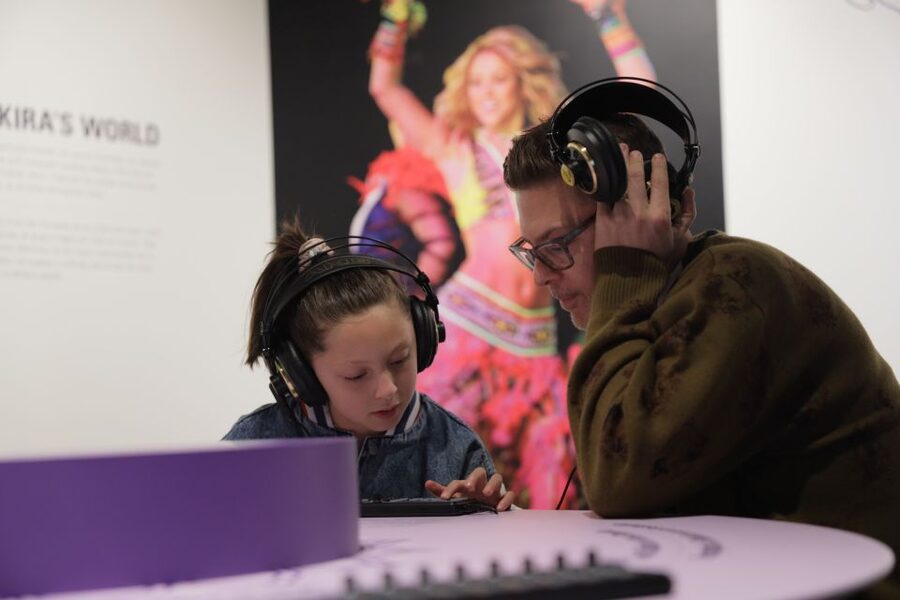
Sonic Playground is likely to be the most active part of your visit. The 3,000-square-foot second-floor gallery contains 17 interactive stations designed to help you explore music-making through technology and play.
You might use microphones, work with beat machines, or try your hand at DJ-style controls. The point is not to master a professional recording studio in one afternoon. It is to show you how rhythm, voice, layering, and sound choices fit together.
This section works especially well for families, teens, and adults who usually hurry past technical displays. You can make a sound, alter it, and immediately hear the result. That quick response keeps the exhibit moving and gives you a better feel for the work behind a finished track.
Sonic Playground also helps explain why the museum appeals to people who are not devoted Grammy followers. You do not need to know every award winner before arriving. Curiosity is enough, and the stations give you a way into the subject.
Allow extra time here if you enjoy experimenting. The interactive elements are among the most praised parts of the museum, but a few hands-on features elsewhere may occasionally be unavailable, so do not build your entire visit around one particular station.
Hear Music Change in Mono to Immersive
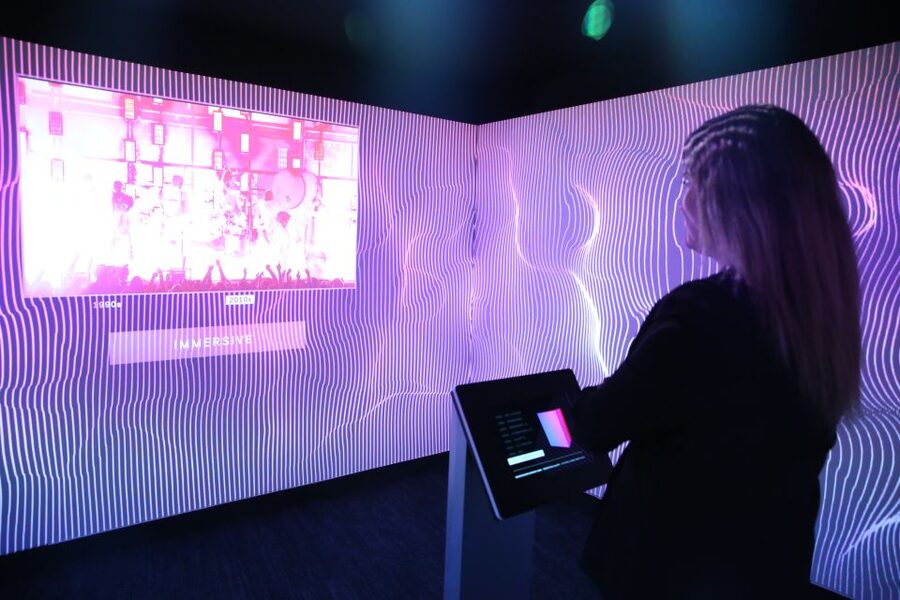
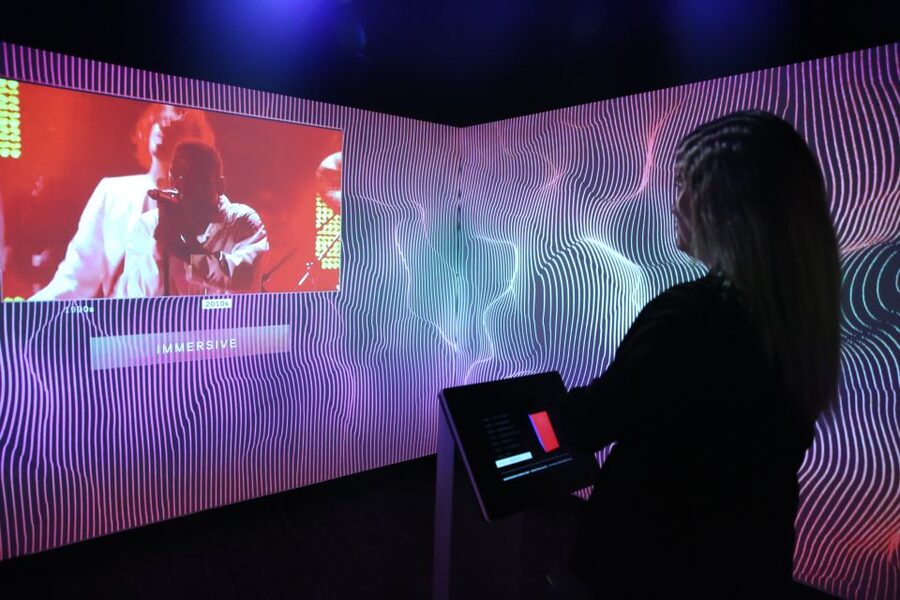
Mono to Immersive is one of the museum’s strongest educational displays. It follows recorded sound from the 19th century through the development of modern surround sound, making an abstract technical subject easier to understand through listening.
The exhibit also connects sound quality to Grammy performances. You can revisit selected moments from the awards show and hear how a performance changes as the audio moves through different formats.
This is not simply a display about old equipment. It gives you a reason to listen closely. You may notice how recording methods affect space, clarity, balance, and the feeling of being near a live performance.
Give this section time instead of treating it as a quick passage between artist galleries. One visitor described being able to spend hours listening to and watching concerts in different sound qualities. That may be more time than most people need, but it shows why the exhibit can hold the attention of music fans who enjoy the technical side of recording.
The main limitation is that the exhibit cannot explain every stage of audio development in detail. Still, it offers one of the clearest ways to understand the difference between older recording formats and the sound used in modern productions.
Meet the Artists Through Objects and Special Exhibits
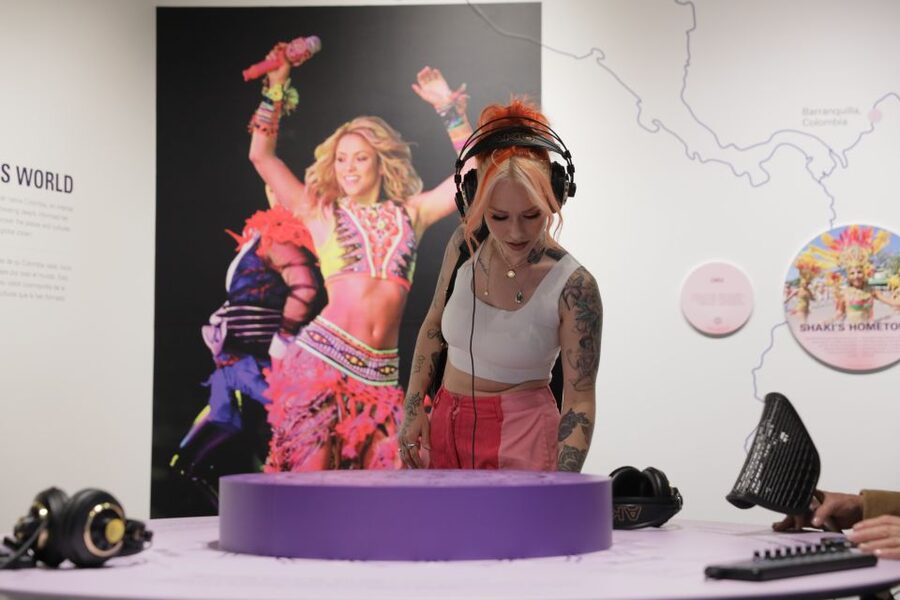
The GRAMMY Museum’s displays bring you close to the careers of major performers. Michael Jackson, Taylor Swift, Stevie Wonder, and other artists appear through memorabilia and changing presentations.
The special exhibition program is important because it keeps the museum from feeling fixed in one period. The current featured display is Luther Vandross: Artistry and Elegance, focused on the life and career of the eight-time GRAMMY winner, songwriter, arranger, producer, and vocalist.
That exhibit gives you a more concentrated look at one artist than the general galleries can provide. It is particularly useful if you want to understand how a performer’s work develops across singing, writing, production, and stage presentation.
Special displays change, so the exact balance of artists depends on your date. Recent exhibitions have included Selena and a full floor focused on BTS, while ATEEZ and xikers have also appeared in the museum’s program. If you are visiting for one particular singer or group, check the current exhibits before booking.
The artist displays can be the most memorable part of the visit, but they also create a possible imbalance. A temporary exhibition may receive more space and attention than older Grammy winners or less commercial genres. If you want a broad account of American music, look beyond the headline display and spend time with the genre sections.
A different kind of day out, same stretch of Southern California:
- Full-Day Iconic Sights of LA, Hollywood, Beverly Hills, Beaches and More
★ 5.0 · 6,147 reviews - Warner Bros. Studio Tour Hollywood
★ 4.5 · 5,246 reviews - Hollywood, Beverly Hills & Celebrity Homes Tour by Open Air Bus
★ 5.0 · 2,557 reviews - Hollywood Sign 2.5-Hour Tour with Comedians and Their Dogs
★ 5.0 · 2,496 reviews
Trace Genres From Blues to Hip-Hop
The museum covers a wide range of music, including blues, folk, rock ’n’ roll, hip-hop, and alternative music. A photo exhibition by Jay Blakesberg, RetroBlakesberg, looks at 30 years of music through images of performers and scenes from these genres.
Photography gives this section a different feel from the costume and award displays. You are not just seeing what artists wore or won. You are looking at how musicians were presented, photographed, and remembered across changing eras.
The hip-hop material has a hands-on quality as well. It includes games and activities that test your DJ work and musical timing, which can make the section especially enjoyable if you already have an interest in turntables, beats, and sampling.
Still, the coverage may feel selective. One visitor found the hip-hop display too focused on the mainstream, with less attention to the wider range of the genre. That is a fair point to keep in mind: this is a museum connected to the Grammy brand, not a complete archive of every musical movement or local scene.
I would treat the genre galleries as a set of focused introductions. They work well for making connections between styles, artists, and technology, but you should not expect a full music-history course.
Revisit Grammy Moments and the Award’s Story
The museum does follow the Grammy Award from 1959 to the present. You can revisit performances and see how the ceremony has changed over time.
For many people, this will be the emotional center of the museum. Familiar performances carry memories, and the chance to hear or see them in a gallery setting adds a sense of occasion. The displays also help show how the award show’s presentation and production have developed.
Yet the museum may not answer every institutional question you have. The coverage of the Grammy selection process, the way nominations are handled, and the planning behind the annual ceremony is limited compared with what some visitors expect from a museum bearing the Grammy name.
If you want a detailed explanation of how the awards work, adjust your expectations. You will learn about important Grammy moments and see related objects, but much of the museum is really about music and its makers rather than the administration of the awards.
A stronger visit comes from treating the Grammy material as one thread through a larger music museum. That approach makes the artist, genre, technology, and performance galleries feel connected rather than like a missed chance to study the awards alone.
Take Photos From the Ray Charles Terrace

The Ray Charles Terrace adds a welcome outdoor pause. From here, you can take pictures with views toward the Hollywood Sign.
The terrace is not a substitute for a dedicated Hollywood Sign viewpoint, and the quality of your photo will depend on conditions and your camera’s zoom. Still, it gives you a useful change of pace after several indoor galleries.
I would save the terrace for a natural break rather than rushing there first. It can help divide the visit into sections, especially if you are spending a few hours with the interactive exhibits and sound displays.
How Long to Stay and What to Wear
Your ticket is valid for one day from first activation. That makes the schedule flexible, but comfortable shoes are a smart choice because the museum spreads across several floors and invites you to move between galleries, listening areas, and interactive stations.
A focused visit might cover the main exhibits in a few hours. If you like to read every panel, repeat the music stations, watch performances, or spend time with the temporary displays, you can stay longer.
The museum may occasionally close certain sections for private events. It is also possible for an individual interactive experience to be out of order, so keep your plans slightly flexible.
Wheelchair access is available. Food, drinks, souvenirs, and a guided tour are not included in the ticket, so plan to handle those separately.
Is the $22 Ticket Good Value?
At $22 per person, the ticket is a reasonable buy for anyone who likes interactive museums and contemporary music. You are paying for access to four floors, a rotating exhibit program, the Sonic Playground gallery, sound demonstrations, and Grammy-related displays.
The value improves if you take part in the activities rather than simply walking past the cases. The microphone and beat-machine stations, DJ games, and sound comparisons give the ticket a hands-on quality that many music museums lack.
The value is less certain if you want a large building packed with artifacts or a full account of Grammy administration. Some areas may contain open wall space, and the museum can feel compact compared with expectations built around the fame of the awards.
I would consider the price fair for a Downtown Los Angeles stop lasting several hours, especially if a special exhibition matches your interests. It is less compelling as a quick visit focused only on Grammy history.
Who Will Enjoy This Museum Most
You should consider this ticket if you fall into one of these groups:
- You enjoy trying music technology instead of only reading about it.
- You are visiting with children or teenagers who need active exhibits.
- You follow current artists or want to check a changing exhibition.
- You like comparing recording formats and listening to production details.
- You want a music-focused stop in Downtown Los Angeles.
- You have a favorite artist featured in the current program.
You may want to choose another attraction, or pair this with a second Downtown activity, if you want a very large museum or a detailed account of the Grammy voting system.
The museum also works for mixed-interest groups. A devoted music fan can spend time with the artist displays and audio stations, while someone less familiar with Grammy history can focus on the visual material and interactive galleries.
Practical Booking Advice
The pre-reserved entry ticket gives you a clear price of $22 and valid access for one day. You can reserve now and pay later, which helps if your Los Angeles schedule is still changing.
Free cancellation is available up to 24 hours in advance for a full refund. That is useful because special exhibits and occasional private events can affect the exact visit you receive.
Before you go, check which temporary exhibits are running. Luther Vandross: Artistry and Elegance is currently highlighted, but the program changes. If your main reason for visiting is Selena, BTS, or another artist from a past display, do not assume that exhibition will still be present.
The museum does not include a guide, so you set your own pace. I prefer that arrangement here because the interactive stations reward lingering, and you can skip sections that do not interest you.
Should You Book the GRAMMY Museum?
Book it if you want an active, approachable museum about modern music, especially if Sonic Playground, sound technology, or a current artist exhibition appeals to you. The best parts are the hands-on stations, Mono to Immersive, and the chance to connect famous performances with the objects and people behind them.
Do not book it expecting a giant archive or a detailed guide to Grammy voting and award administration. The museum is compact, some sections may be closed, and the balance between genres and eras can feel uneven.
For $22, I think it is a good Downtown Los Angeles stop for curious listeners, families, and fans of the featured artists. Check the temporary exhibit schedule first, wear comfortable shoes, and give the sound galleries more time than you might expect.
FAQ
How much does entry to the GRAMMY Museum cost?
Entry costs $22 per person.
How long is the ticket valid?
The ticket is valid for one day from the time you first activate it.
What is included with the ticket?
The ticket includes entry to the GRAMMY Museum.
Are food and drinks included?
No. Food and drinks are not included.
Is a guided tour included?
No. The ticket does not include a guided tour.
Can I cancel for a refund?
Yes. You can cancel up to 24 hours in advance for a full refund.
Can I reserve now and pay later?
Yes. You can reserve your spot and pay nothing at the time of booking.
Is the museum wheelchair accessible?
Yes. The museum is wheelchair accessible.
What should I bring?
Bring comfortable shoes. The museum covers four floors and includes several interactive galleries.
Just added around Los Angeles
- Los Angeles: Speakeasy Bar Hopping Tour with Drink★ 4.7 · 3 reviews
- Private Surf Lesson in Venice Beach, CA★ 5.0 · 3 reviews
- LA: Expo Park Space & Dinosaurs Tour with Cal Science Center★ 5.0 · 3 reviews
- Private Photo Tour of the Best Instagram Spots in Los Angeles★ 5.0 · 3 reviews
- Santa Monica Superhero Exploration Game and Tour★ 5.0 · 3 reviews
- Private Hollywood Sign Hiking Tour with Select Hotel Pickup★ 5.0 · 3 reviews
- Private 5-Hour Limo Tour of Los Angeles and Beach Cities★ 3.5 · 3 reviews
- Hooray for Hollywood: 35-Minute Helicopter Tour★ 4.7 · 3 reviews
Museums, compared.

Petersen Automotive Museum Entry & Vault Access
Read our review →

La Brea Tar Pits and Museum Admission Ticket with Excavator Tour
Read our review →

Hollywood Medieval Torture Museum Ticket with Ghost Hunting
Read our review →
Natural History Museum of Los Angeles County Admission
Read our review →

Browse the lists this tour appears in