
Reviewed · MUSEUMS
Hollywood: Medieval Torture Museum Ticket with Ghost Hunting
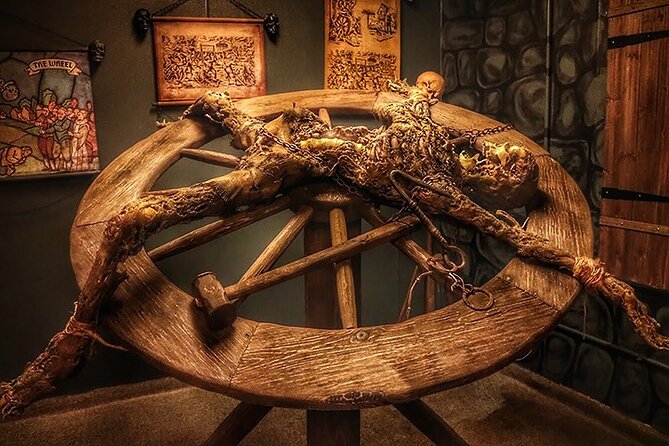
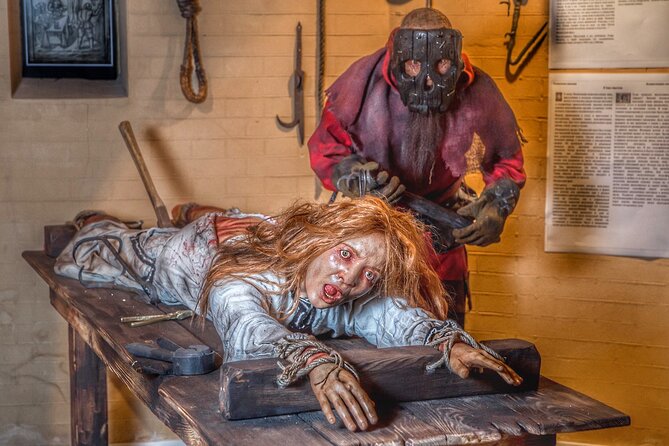
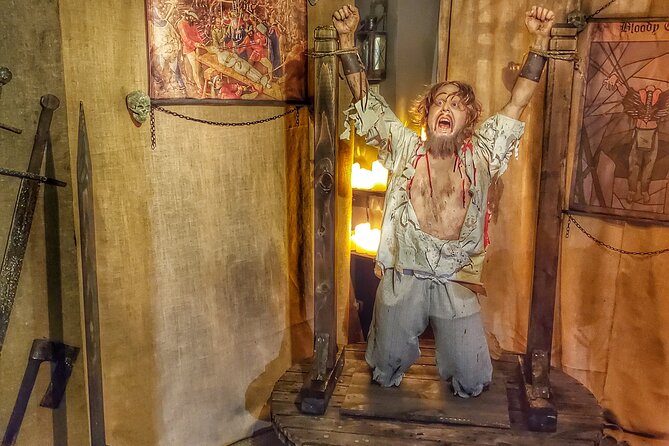
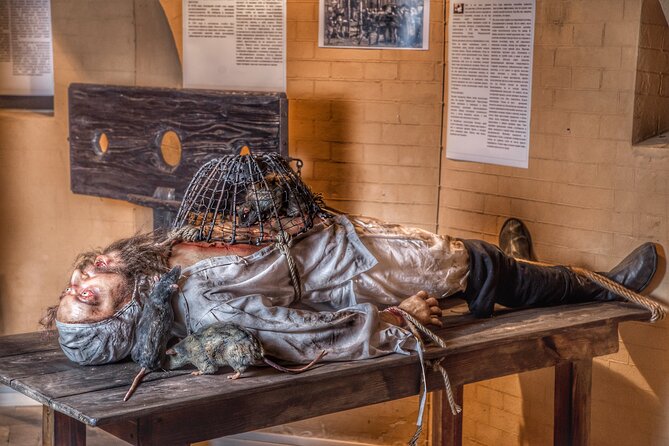
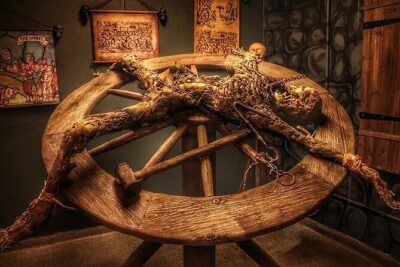
The darkest feature here is also the most effective: wax figures show torture devices in use, putting human faces and bodies beside the metal, wood, and rope. The 7,000-square-foot museum is less a traditional history museum than a grim, highly visual lesson in how punishment and fear were used.
I like the freedom to move at your own pace, and I like having both an audio guide and a ghost-hunting activity for the same $31 ticket. The main drawback is the graphic subject matter, plus reports of poorly maintained bathrooms. This is not a casual stop for young children or anyone sensitive to scenes of suffering.
In This Review
- Key points to know before you go
- What the $31 ticket really gets you
- Getting started at the cash desk
- Following the audio guide through the museum
- Why the wax sculptures matter
- Trying the ghost-hunting activity
- The museum at your own pace
- Who will get the most from this experience
- Accessibility, facilities, and practical concerns
- Languages and how to prepare
- My take on the educational value
- Should you book the Medieval Torture Museum?
- FAQ
- How much does the Medieval Torture Museum ticket cost?
- How long is the ticket valid?
- Is an audio guide included?
- Is the ghost-hunting activity included?
- Is the museum suitable for children?
- Is the museum wheelchair accessible?
Key points to know before you go
- 7,000 square feet of grim exhibits: See hundreds of devices linked to torture, interrogation, restraint, and execution.
- Wax scenes add context: Sculpted executioners and victims help explain how the equipment was used.
- Two audio guide languages: Choose English or Spanish, with an English or Spanish-speaking greeter available.
- Ghost hunting uses your phone: Bring headphones and a fully charged smartphone for the included app.
- A flexible ticket: The ticket is valid for 365 days, subject to available starting times.
- Adults should lead the visit: Anyone under 18 must have an adult, and the museum is not recommended for children.
What the $31 ticket really gets you
At $31 per person, this is priced like a specialty attraction rather than a quick museum stop. That price makes more sense if you plan to use both parts of the experience: the audio-guided museum and the ghost-hunting app.
You are not paying for a live tour, a performance, or a long scheduled program. Instead, you receive entry, an audio guide, and the chance to use the ghost-hunting activity while you explore. That self-directed format gives you control, but it also means much of the value depends on how carefully you listen and how long you spend with the displays.
I would allow enough time to read, listen, and pause at the wax scenes rather than rushing from one object to the next. The ticket is valid for 365 days, with available starting times shown when you check. That is useful if your Los Angeles plans are still shifting, though you should not confuse the 365-day validity with a 365-day visit. It simply gives you a long window in which to use the admission.
The ticket also allows cancellation up to 24 hours in advance for a full refund, and you can reserve now and pay later. Those terms are helpful for a busy city itinerary, particularly if you are fitting this around Hollywood plans, traffic, and other timed activities.
More ghost and true-crime walks:
- Spooky Solvang Ghost Hunting & History Tour
★ 5.0 · 310 reviews - Haunted Hollywood Walking Tour: True Crime and Creepy Tales
★ 5.0 · 299 reviews - Hollywood Ghost Hunting Experience with Real Paranormal Tools
★ 5.0 · 267 reviews
Getting started at the cash desk
The meeting point is simple. Go to the cash desk and redeem your ticket. A greeter can assist in English or Spanish, and the audio guide is available in both languages.
Bring your own headphones. You also need a charged smartphone for the ghost-hunting activity, so charge your phone before arriving and consider carrying a small battery pack. A dead phone would remove one of the two main parts of the ticket.
The audio guide gives the visit structure without forcing you into a group. You can stop when an exhibit catches your attention, move past a scene that feels too graphic, or take a short break before continuing. I find that useful in a museum with difficult material because the right pace is personal.
There is no indication of a fixed tour group or a named guide leading the entire visit. The on-site greeter helps you get started, then the audio guide takes over. If you prefer a lively guide telling stories in person, this may feel quiet and independent. If you dislike being hurried, it is a strong advantage.
Following the audio guide through the museum
Inside, you will see hundreds of examples connected with torture, interrogation, restraint, and execution. The collection covers devices from different periods of human history, with the emphasis on the methods and tools of punishment.
The audio guide matters here. A metal frame, blade, rack, cage, or restraint can look like an odd object when viewed alone. The narration explains its purpose and helps you understand the relationship between the device, the person controlling it, and the victim subjected to it.
I like this format because it gives the exhibits a basic historical frame rather than leaving you with a room full of shock props. Still, the exact level of detail can feel heavy. Descriptions address torture devices and methods directly, so this is not a place to visit if you want light entertainment.
The museum’s subject is humanity’s use of pain, fear, confinement, and execution. That makes the visit more than a collection of gruesome objects. It asks you to consider how institutions have used punishment and how technology has been shaped for cruelty. The experience does not require a long background in history, but you should be prepared for blunt material.
Why the wax sculptures matter
The wax sculptures are the clearest way to understand the displays. They show executioners and victims beside or within the equipment, giving the objects a physical scale that labels alone cannot provide.
That visual approach can help you understand how a device worked. It can also make the experience more upsetting. A drawing or diagram keeps some distance between you and the subject. A human-shaped wax figure removes much of that distance.
I would take the audio guide seriously here and avoid judging the visit only by its most shocking displays. The wax scenes are designed to make the equipment understandable, but they also make the museum harder to handle for sensitive visitors.
The museum is not recommended for anyone under 18. Anyone under 18 must be accompanied by an adult, and children under 10 enter free only when accompanied by a dedicated adult, with one adult for one child. That free admission does not change the nature of the displays. I would think carefully before bringing a child, even with the free policy.
A few more Los Angeles trips worth weighing up
- Los Angeles: Petersen Automotive Museum Entry & Vault Access
★ 4.8 · 264 reviews - Los Angeles: Battleship Iowa Museum Ticket
★ 4.6 · 249 reviews - La Brea Tar Pits and Museum Admission Ticket with Excavator Tour
★ 4.5 · 193 reviews - Los Angeles: La Brea Tar Pits Museum Ticket
★ 4.5 · 137 reviews
Trying the ghost-hunting activity
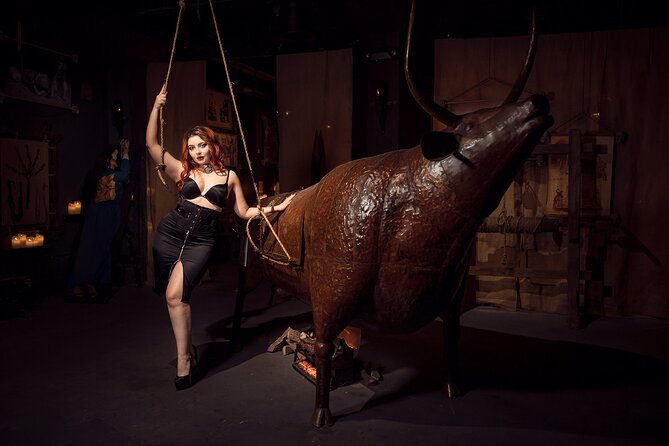
The ghost-hunting experience adds a modern game to a museum built around old punishment methods. You download the app and use your smartphone while looking for ghosts in the museum.
This part gives the visit a second mood. The audio guide asks you to focus on historical information, while the ghost hunt encourages you to examine the rooms in a more playful and alert way. It may appeal to you if you like interactive attractions and want something to do beyond reading labels.
You need headphones and a charged smartphone. The supplied information does not specify how long the ghost hunt lasts, how many ghosts you can find, or exactly how the app works, so I would treat it as an added activity rather than the main reason to buy the ticket.
It is worth remembering that the ghost hunt does not make the museum family entertainment. The wax scenes and written descriptions remain graphic. For adults who enjoy spooky attractions, the app may make the visit more engaging. For anyone coming mainly for historical context, the audio guide should remain your priority.
The museum at your own pace
The self-guided design is one of the ticket’s best features. You can spend extra time with displays that interest you and move quickly through material you find too disturbing.
There is no need to keep up with a group or wait for a scheduled talk. That makes this a practical stop for a flexible Los Angeles day. You can also use the 365-day validity to avoid forcing the visit into a particular date, provided you check availability and starting times.
The trade-off is that you must manage your own attention. In a live tour, a guide would decide what to explain and when to move on. Here, you need to listen, read, and decide how much context you want.
I suggest setting a personal limit before you enter. The museum contains hundreds of devices and graphic scenes, and the subject can become emotionally tiring. A slower visit may help you understand more, but a shorter visit may be the better choice if the material begins to feel repetitive or overwhelming.
Who will get the most from this experience
I would recommend the museum to adults interested in grim social history, historical punishment, true-crime themes, unusual museums, or horror attractions with a factual side. The audio guide gives the collection more purpose than a room of strange objects, while the ghost-hunting app provides a playful extra.
It also suits independent visitors. You do not need to commit to a long guided walk, and the audio format works well if you want to explore without a group around you.
I would be more cautious about bringing children. Under-18 visitors require adult supervision, the experience is not recommended for visitors under 18, and the displays are graphic. The free entry for children under 10 is useful financially, but it should not be read as a sign that the museum is designed for young children.
This may not suit you if you dislike wax figures, descriptions of torture, or execution scenes. It may also disappoint if you expect a conventional museum with a broad, balanced survey of world history. The focus here is narrow and deliberately grim.
Dogs from non-aggressive breeds are allowed on a leash. That is an unusual convenience, but the emotional tone of the museum still matters. A dog that reacts badly to crowded or unfamiliar interiors may not enjoy the visit.
Accessibility, facilities, and practical concerns
The museum is wheelchair accessible, which makes the self-paced layout easier to manage. You can move through the attraction without having to keep up with a walking group.
Parking is not included, and on-site parking is also not provided. Plan that cost and time separately if you are driving. Food and drinks are not included either, so handle those before or after the visit rather than expecting refreshments inside the ticket.
The bathrooms deserve a practical warning. A recent report described them as filthy and lacking toilet paper. Conditions can change, but I would use a restroom before arriving and avoid relying on the museum facilities.
The attraction has special holiday hours listed for Thanksgiving, Christmas Eve, and Christmas Day. Thanksgiving hours are 12pm to 8pm. Christmas Eve and Christmas Day hours are 11am to 8pm. Check the available time when booking, since the ticket’s long validity does not remove the need to confirm opening arrangements.
Languages and how to prepare
English and Spanish speakers have the easiest time here. The greeter can assist in English or Spanish, and the audio guide is offered in both languages.
Your preparation list is short:
- Bring headphones.
- Charge your smartphone.
- Redeem the ticket at the cash desk.
- Wear something comfortable for standing and walking through the exhibits.
- Consider using a restroom before arrival.
- Decide in advance if everyone in your group is comfortable with graphic material.
The headphones are especially important. Without them, you lose the main explanation of the displays and may be left trying to interpret disturbing equipment without enough context.
My take on the educational value
The museum’s strongest point is its combination of objects, wax scenes, and narration. Each element does a different job. The devices show the tools, the figures show scale and use, and the audio guide supplies explanation.
The subject also gives the museum a clear purpose. You see how punishment has been made physical, public, and systematic. Even if you do not enjoy the horror angle, the visit can prompt serious thought about justice, authority, and the treatment of prisoners.
At the same time, the presentation is intentionally sensational. Wax victims and executioners are meant to produce a reaction. I would not visit expecting the calm tone of a standard civic museum or an academic collection.
The balance depends on your expectations. If you want a memorable, unsettling attraction, the combination works. If you want a broad history lesson with extensive source material and quiet galleries, this probably is not the right stop.
Should you book the Medieval Torture Museum?
Book it if you are an adult who enjoys unusual museums, historical punishment, graphic exhibits, and self-guided attractions. At $31, the ticket is easiest to justify when you use the audio guide fully and try the ghost-hunting app rather than simply walking through the rooms.
Skip it if you are uncomfortable with wax depictions of suffering, bringing young children, or paying specialty-attraction prices for a short independent visit. Also plan around the lack of on-site parking and the reported bathroom problems.
My practical call: this is a good fit for a small group of adults looking for something far removed from ordinary Hollywood sightseeing. Charge your phone, bring headphones, and go in knowing the material is graphic. If that sounds interesting rather than unpleasant, the ticket offers a flexible and distinctive stop.
FAQ
How much does the Medieval Torture Museum ticket cost?
The ticket costs $31 per person.
How long is the ticket valid?
The ticket is valid for 365 days. You need to check availability for starting times.
Is an audio guide included?
Yes. An audio guide is included in English or Spanish.
Is the ghost-hunting activity included?
Yes. The ghost-hunting experience is included. You need to download the app and bring a charged smartphone and headphones.
Is the museum suitable for children?
The museum is not recommended for visitors under 18. Anyone under 18 must be accompanied by an adult. Children under 10 are admitted free when accompanied by a dedicated adult, with one adult for one child.
Is the museum wheelchair accessible?
Yes. The museum is wheelchair accessible.
Just added around Los Angeles
- Los Angeles: Speakeasy Bar Hopping Tour with Drink★ 4.7 · 3 reviews
- Private Surf Lesson in Venice Beach, CA★ 5.0 · 3 reviews
- LA: Expo Park Space & Dinosaurs Tour with Cal Science Center★ 5.0 · 3 reviews
- Private Photo Tour of the Best Instagram Spots in Los Angeles★ 5.0 · 3 reviews
- Santa Monica Superhero Exploration Game and Tour★ 5.0 · 3 reviews
- Private Hollywood Sign Hiking Tour with Select Hotel Pickup★ 5.0 · 3 reviews
- Private 5-Hour Limo Tour of Los Angeles and Beach Cities★ 3.5 · 3 reviews
- Hooray for Hollywood: 35-Minute Helicopter Tour★ 4.7 · 3 reviews
Museums, compared.

Petersen Automotive Museum Entry & Vault Access
Read our review →

La Brea Tar Pits and Museum Admission Ticket with Excavator Tour
Read our review →
Hollywood Medieval Torture Museum Ticket with Ghost Hunting
Read our review →
Natural History Museum of Los Angeles County Admission
Read our review →

Browse the lists this tour appears in