
Reviewed · JOSHUA TREE NATIONAL PARK
Joshua Tree Natural Wonders Walk: Plants, Animals and Rocks
Joshua Tree reveals more than its famous trees and giant boulders. On this walk, rocks, plants, and animals become the main story, with Sharon explaining how the desert works as a living community rather than a backdrop for photographs.
I like the focus on more than three dozen plant species, including their uses by Native Americans and their role in desert life. I also like the small maximum of 10 people, which gives the guide room to answer questions and adjust the pace.
The main drawback is preparation. The tour does not provide water, sunscreen, snacks, or hiking shoes, and there is no private transportation. You need to arrive ready for an outdoor walk in dry desert conditions.
In This Review
- Key Points
- Why This Joshua Tree Walk Is Different
- Reading the Rocks at Desert View Conservation Area
- More Than 30 Plants, With Uses and Adaptations
- Finding Mojave Animal Habitats
- Sharon’s Teaching Style and the Small Group Size
- What to Bring for a Comfortable Walk
- Price, Timing, and Overall Value at $55
- Who Will Get the Most From This Experience
- A High-Value Short Walk, With One Clear Caveat
- Should You Book the Joshua Tree Natural Wonders Walk?
- FAQ
- Where does the Joshua Tree Natural Wonders Walk begin?
- Where does the activity finish?
- How long does the walk last?
- How much does the experience cost?
- Is transportation included?
- What should I bring?
- Can the meeting time be changed?
- How many people can join the walk?
- Is cancellation free?
Key Points
- A science-focused Joshua Tree walk: Learn how local rock formations formed and why they look the way they do.
- More than 30 plants covered: Hear about plant uses, evolution, and importance to the desert community.
- Mojave animal habitats: Look for clues about where key animals live and how they cope with desert conditions.
- Small groups of up to 10: The size is well suited to questions and personal attention.
- About 90 minutes to two hours: Long enough for real interpretation, short enough to fit into a busy Palm Springs-area day.
- Sharon leads the walk: She brings a strong command of the subject and a friendly teaching style, according to the experience details.
Why This Joshua Tree Walk Is Different
Many people visit Joshua Tree with their eyes fixed on the rock piles and the distinctive trees. That is understandable. The setting is easy to admire, but the details can be easy to miss.
This walk changes your focus. You learn to pay attention to plant forms, animal habitats, and the links between geology and living things. A rock formation is not only something to photograph. Its shape, surface, and position help explain the ground around it. A plant is not merely a bit of color in a dry place. It has adaptations, uses, and a role in the wider desert community.
That approach gives the outing more value than a simple stroll. You are not just covering ground. You are learning how to read the setting.
The tour takes place at Desert View Conservation Area in Joshua Tree, California. The meeting point is also the end point, so you return to where you began. That keeps the plan simple, especially if you are arranging the walk around other time in the area.
The outing lasts about one and a half to two hours. The exact pace can vary, and the meeting time may be changed if Sharon is available at another hour. That flexibility can help if you are fitting the walk around heat, meals, or a separate visit.
More Joshua Tree trips:
- Joshua Tree National Park Self-Guided Driving Audio Tour
★ 4.5 · 762 reviews - Joshua Tree National Park Scenic Tour
★ 4.5 · 499 reviews - Joshua Tree National Park Offroad Tour
★ 5.0 · 427 reviews
Reading the Rocks at Desert View Conservation Area
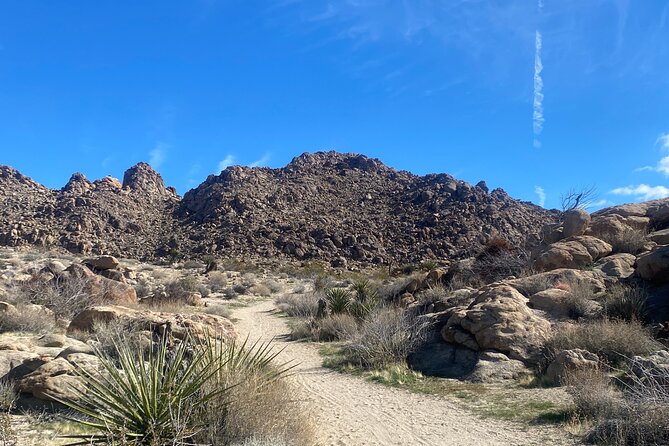
The geology portion is one of the strongest reasons to book this experience. Joshua Tree is famous for unusual rock formations, yet it takes a trained guide to connect their shapes with the forces that created them.
You will gain a better understanding of the area’s geology as you walk. The information is designed to make the formations easier to interpret, not just easier to admire. I like that the geology is presented alongside plants and animals, because the subjects support one another.
The rocks help shape the places where plants grow and animals find shelter. Once you understand that connection, the setting feels less random. You start to see the desert as a set of habitats with different conditions.
Do not expect a long geology lecture in a classroom style. This is a short outdoor walk, so the lesson is tied to what you encounter along the route. That makes it a good fit if you prefer learning through direct observation instead of a formal museum presentation.
The description does not give a detailed route or list specific formations. You should therefore book this for the guided interpretation, not for a guaranteed lineup of named rock landmarks.
More Than 30 Plants, With Uses and Adaptations
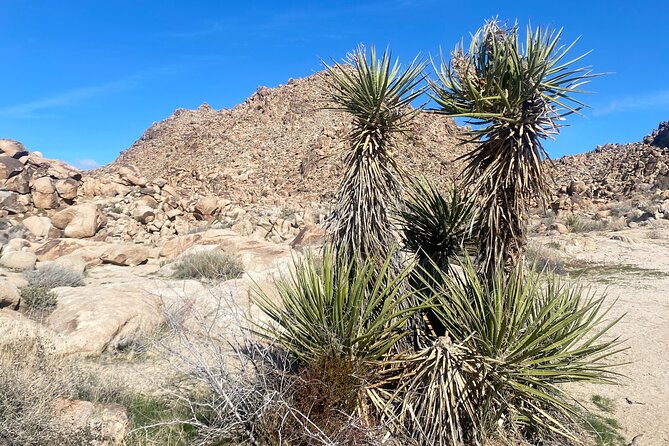
The plant section gives the outing its real depth. Sharon discusses more than three dozen significant species, including how they evolved, how Native Americans used them, and why they matter to desert life.
That is a useful combination. You are not only learning plant names. You are also hearing about practical human use and natural adaptation. Those details help you remember what you see.
Desert plants have to manage scarce water and demanding conditions. The tour explains why the plants are important to the larger biotic community, which means you learn to view each species as part of a working system. A plant can offer food, shelter, or another resource for animals, while its own survival depends on its structure and surroundings.
The reference to Native American uses adds an important human dimension. It places plants in a practical context and shows that the desert has long been understood through close observation and use. The activity details do not list every plant or every traditional use, so you should think of this as a broad, guided introduction rather than a specialist botany course.
I especially like this focus for visitors who have already taken photographs in Joshua Tree and want a fresh way to see the same kind of setting. The more you learn about the plants, the less empty the desert appears.
Finding Mojave Animal Habitats
Animals are another key part of the walk. You learn about important Mojave species, their habitats, and their characteristics.
That wording matters. This is not presented as a wildlife guarantee, and you should not book it expecting close encounters or a fixed animal checklist. The value comes from learning where animals live and how they fit into the desert environment.
A guide can point out the conditions that make one area useful to an animal and another less suitable. You might notice signs of habitat even when an animal remains out of sight. The experience details do not promise sightings, so keep your expectations centered on habitat knowledge rather than wildlife photography.
This makes the walk a good choice for families and curious adults who enjoy asking why. Why would an animal use a certain type of shelter? Why do some plants matter to the community? Why does the ground look different from one area to the next? The tour is built around those kinds of questions.
The activity also includes myth-busting about Joshua Tree. That is a welcome touch. Popular desert stories can blur fact and folklore, and a guide-led correction can make the visit more useful without turning it into a dry lesson.
A few more Palm Springs trips worth weighing up
- Desert Nature Walk, Cacao Ceremony and Soundbath in Joshua Tree
★ 4.5 · 19 reviews - Walking Palm Springs “Twin Palms” Private Tour
★ 5.0 · 15 reviews - Joshua Tree’s Hidden Valley Self-Guided Walking Tour
★ 3.5 · 9 reviews - Palm Springs: Private Walking Tour “Twin Palms” Neighborhood
★ 5.0 · 9 reviews
Sharon’s Teaching Style and the Small Group Size
Sharon is the guide named in the experience information. Her role is central because the walk depends on interpretation rather than special equipment or a long route.
The group maximum is 10 people. That is small enough to keep the guide within reach and give you a fair chance to hear the explanations. It also makes questions more practical than they would be in a large bus group.
A small group does not guarantee a private tour, but it should feel more personal than a crowded outing. You can ask about a plant, a rock, or an animal habitat while the subject is in front of you. If you are bringing children, the chance to ask questions can help keep the walk active.
The short duration also works in your favor. At 90 minutes to two hours, the experience gives you substantial interpretation without taking an entire day. You can pair it with other time in Joshua Tree or use it as a focused nature activity during a Palm Springs-area visit.
The pace is not specified, so you should not assume a strenuous hike or a completely flat stroll. Most people can participate, but sensible outdoor footwear remains important because hiking shoes are not supplied.
What to Bring for a Comfortable Walk
The practical packing list is short, but each item matters.
Bring enough bottled water for the entire hike. Water is your responsibility, and the tour does not supply it. Even a short desert walk can feel demanding if you start without enough to drink.
Pack sunscreen and other sun protection. The activity does not include these items. A hat, sunglasses, and light protective clothing may also be useful, though only sunscreen and other sun protection are specifically called out in the tour information.
Wear your own hiking shoes. Footwear is not included, and the walk takes place outdoors at a conservation area. The supplied details do not specify trail conditions, so shoes with a secure fit are the sensible choice.
You can also bring a snack. Snacks are not provided, and the information openly notes that you may get hungry even on a short walk. A small, easy-to-carry option can prevent hunger from distracting you during the plant and geology discussion.
A bathroom break is included. That is a modest but useful detail, especially if you are planning the activity with children or placing it between longer drives.
Price, Timing, and Overall Value at $55
The price is $55 per person. That is a reasonable fee if you want an interpreted nature walk rather than simply reaching the area and exploring without a guide.
You are paying for Sharon’s preparation and explanations, the small group cap, and the chance to connect geology, plants, animals, and cultural use in one outing. The admission ticket is free, so the main value is the guided learning rather than entry to a paid attraction.
I would not choose this experience if your main goal is a long hike, private transportation, or a full-day national park program. None of those are included. You meet at Desert View Conservation Area, arrange your own transport, and return to that same meeting point.
For a short activity, the price makes the most sense when you care about context. A self-guided walk can show you the scenery, but it may not explain more than 30 plant species or separate fact from Joshua Tree myth. If those details are what you want, the fee is easier to justify.
The ability to adjust the meeting time, when the guide is available, adds some practical value. It is not guaranteed, but it may help you build the outing around the rest of your day.
Who Will Get the Most From This Experience
I would recommend this walk to anyone who wants a focused introduction to the natural side of Joshua Tree. It suits first-time visitors who want help noticing more than the obvious sights.
It is also a good match for repeat visitors. If you have already seen the major scenery, the plant, animal, and geology themes can give you a different reason to return.
Families may appreciate the range of topics. Plants, animals, rocks, and myths offer several ways for children to stay interested. The information says most people can participate, and service animals are allowed.
Nature photographers could also find the walk useful, though the tour is not advertised as a photography outing. The guide may help you understand what you are seeing, but the central purpose is learning about the desert community.
You should think twice if you need a fully equipped excursion. You must provide water, sun protection, snacks, and footwear. You also need to arrange your own transportation to and from the meeting point.
A High-Value Short Walk, With One Clear Caveat
The strongest part of this activity is its subject range. In a short time, you cover geology, plant life, animal habitat, Native American plant uses, evolution, and local myths.
The best praised qualities are Sharon’s teaching and the sense that the area contains more life than first appears. One description of the walk noted that the trails seemed to show more life than the national park experience had revealed, which captures the purpose of this activity well. The goal is not to add more miles. It is to help you notice more.
Another strong point is its broad age appeal. The activity is described as suitable for any age, and the combination of short timing and varied topics supports that. Still, you need to arrive prepared for outdoor conditions. A short walk is not the same as an effortless one.
Weather is another consideration. The experience requires good weather. If poor weather causes a cancellation, you will be offered another date or a full refund. That policy protects you, but it also means you should keep some flexibility in your schedule.
Should You Book the Joshua Tree Natural Wonders Walk?
Book it if you want a small-group, guide-led introduction to the plants, animals, and geology of Joshua Tree. At $55, it offers good value for a focused 90-minute to two-hour lesson, especially if you enjoy understanding the places you visit rather than only photographing them.
I would be most likely to choose it for a first visit, a family outing, or a return trip when I wanted fresh context. I would skip it only if I wanted a strenuous hike, guaranteed wildlife sightings, or an all-inclusive tour with transport and supplies.
Bring water, sun protection, snacks, and proper shoes. Arrive ready to ask questions, and let Sharon show you how much is happening in a place that can look quiet at first glance.
FAQ
Where does the Joshua Tree Natural Wonders Walk begin?
The walk begins at Desert View Conservation Area, Joshua Tree, California 92252.
Where does the activity finish?
The activity ends back at the meeting point at Desert View Conservation Area.
How long does the walk last?
The walk lasts approximately one hour and 30 minutes to two hours.
How much does the experience cost?
The price is $55 per person.
Is transportation included?
No. Private transportation is not included, so you are responsible for reaching the meeting point and returning from it.
What should I bring?
You should bring bottled water for the entire hike, sunscreen and other sun protection, snacks if needed, and your own hiking shoes.
Can the meeting time be changed?
The meeting time may be changed if the guide is available at the requested time. Changes depend on availability.
How many people can join the walk?
The activity allows a maximum of 10 people.
Is cancellation free?
Yes. You can cancel at least 24 hours before the start time for a full refund. Changes or cancellations made less than 24 hours before the start time are not accepted for a refund. The experience may also be rescheduled or fully refunded if poor weather causes a cancellation.
Just added around Palm Springs
- All-In-One California Self-Guided Driving & Walking Bundle Tour★ 4.5 · 3 reviews
- Palm Springs: Indian Canyons Jeep/Hiking Combo Tour★ 5.0 · 3 reviews
- Rock Climbing Trips in Joshua Tree National Park (8 Hours)★ 5.0 · 3 reviews
- Journey into Joshua Tree On-Demand Audio Tour and Locals Guide★ 3.5 · 3 reviews
- 100+ Self-Guided Audio Tours: Driving & Walking Bundle★ 3.5 · 3 reviews
- Palm Springs Shuffle Scavenger Hunt★ 5.0 · 4 reviews
- Make Sun Prints in the Desert★ 5.0 · 4 reviews
- Private Abstract Painting Workshops in Palm Springs★ 5.0 · 4 reviews
Joshua Tree National Park, compared.
Half-Day Guided Hike in Joshua Tree National Park
Read our review →
Joshua Tree National Park Sightseeing Adventure Tour
Read our review →Browse the lists this tour appears in