
Reviewed · HISTORICAL TOURS
L.A. Mafia History Tour: Gangsters, Mobsters & Crime Legends
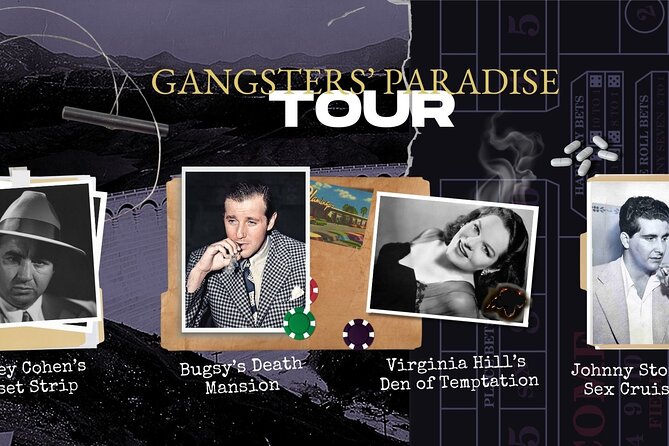
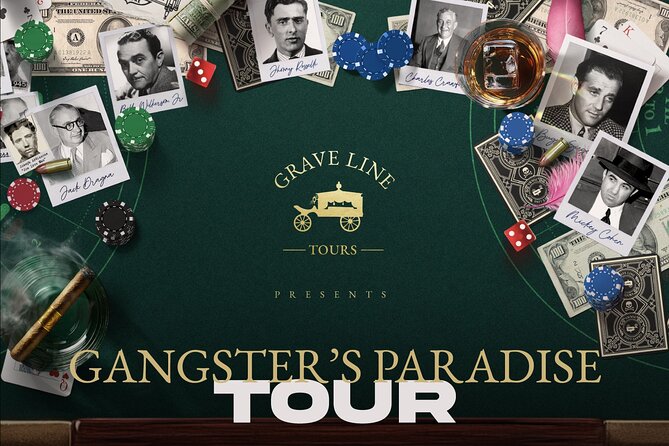
Hollywood’s old crime story is at its best when it collides with movie lore, and this tour puts you right in that overlap. You’ll ride through central Los Angeles in a classic funeral limousine, stopping at places tied to Bugsy Siegel, Mickey Cohen, Johnny Roselli, Virginia Hill, and the Hollywood Syndicate.
I like the small group limit of eight, which should make it easier to hear the guide and ask questions. I also like the mix of real mob sites and film history, especially the Formosa Cafe vault and the house used for the famous horse head scene in The Godfather. The drawback is that some stops are former sites or exterior views, so you should not expect a museum-style tour with extensive interior access.
In This Review
- Key things to know before you book
- Why this tour works for Hollywood history fans
- Starting at 6801 Hollywood Boulevard
- The Art Deco office of Johnny Roselli
- The Hollywood YMCA and a meeting between Siegel and Cohen
- Billy Wilkerson and The Hollywood Reporter
- Tops Café and Lana Turner’s discovery
- Crossroads of the World and Charlie Crawford
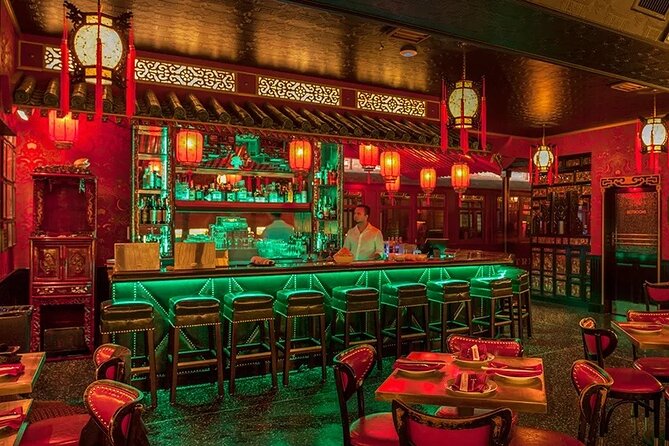
- The Formosa Cafe, vault, and Hollywood Syndicate
- A studio lot marked by labor violence
- Roselli’s former home and FBI surveillance
- Virginia Hill’s first Los Angeles home
- The house behind The Godfather’s horse head scene
- Price, group size, and overall value
- Who should book this three-hour crime tour
- Should you book it?
- FAQ
- How long is the L.A. Mafia History Tour?
- Where does the tour begin?
- What time does the tour start?
- Where does the tour end?
- How many people can join the tour?
- Is the Formosa Cafe included?
- Is a break included?
- Can I cancel for a full refund?
Key things to know before you book
- The Formosa Cafe is the centerpiece: You can step inside the former mob headquarters, order a cocktail, and see the original vault associated with Bugsy Siegel’s gambling operations.
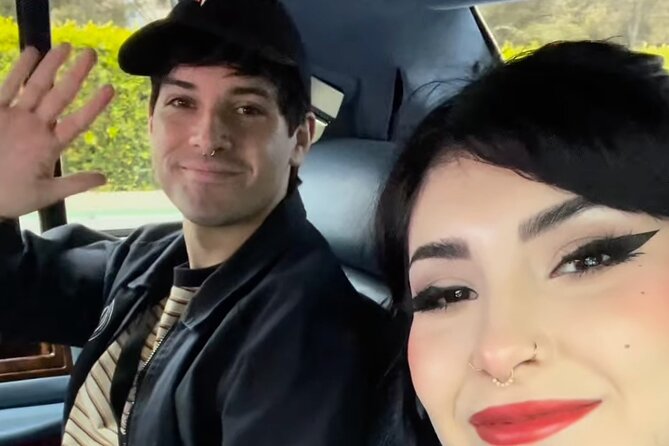
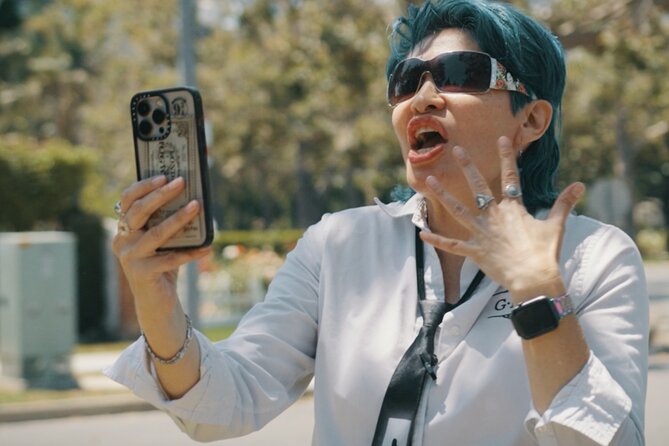
- Guide Blaze gets special mention: Her wit, energy, and ability to set the right mood are a major part of the experience.
- The route links crime and show business: Stops cover mob offices, studios, restaurants, mansions, labor disputes, and famous movie locations.
- The tour lasts about three hours: A 15-minute break is included, but refreshments cost extra.
- The group is capped at eight people: That is a useful advantage for a story-heavy tour with many questions and details.
- The subject matter can be disturbing: This is true crime, not a light Hollywood sightseeing ride.
Why this tour works for Hollywood history fans
Many Hollywood tours focus on stars, studios, and famous homes. This one follows a darker thread: the people who made money around the film business, controlled nightlife, influenced labor, and used Hollywood as a stage for power.
The most interesting part is the connection between organized crime and entertainment. Johnny Roselli was not simply a gangster in a distant underworld. He moved between Hollywood, Las Vegas, and crime circles, acting as a fixer and broker. Billy Wilkerson, founder of The Hollywood Reporter, used his newspaper to shape the fortunes of Hollywood’s powerful figures. The tour treats these stories as part of the city’s larger history, not as isolated tales of crime.
I also like the range of locations. You see elegant Art Deco buildings, old restaurants, former homes, studio grounds, and places tied to violent incidents. That variety keeps the afternoon from becoming a string of identical mansion drive-bys.
The mood matters here. The funeral limousine adds a theatrical touch, but the content is more serious than a novelty ride. You’ll hear about killings, surveillance, labor conflict, secret gambling, and people whose lives ended badly. If you prefer a purely glamorous Hollywood tour, this may feel too grim.
A few more Los Angeles trips worth weighing up
- Palm Springs Modernism Architecture & History Bike Tour
★ 5.0 · 359 reviews - Spooky Solvang Ghost Hunting & History Tour
★ 5.0 · 310 reviews - 45-Minute Private Guided Historic Walking Tour in Lititz
★ 5.0 · 143 reviews
Starting at 6801 Hollywood Boulevard
The tour begins at 6801 Hollywood Boulevard at 2:30 pm and returns to the same meeting point. Since the ride lasts roughly three hours, you can plan it as a mid-afternoon activity rather than a full-day outing.
The mobile ticket is useful, and visual background material is available for passengers with a smartphone and data access. Bring a charged phone if you want to follow those materials during the ride. You’ll also want to think about the weather, since the activity requires good conditions and may be moved or refunded if poor weather forces cancellation.
The group size is limited to eight. That is one of the practical strengths of the experience. Crime stories often depend on names, relationships, and small details, and a crowded vehicle can make that hard to follow. A small group gives the guide more room to explain how one figure connected to another.
The Art Deco office of Johnny Roselli
One early stop focuses on an Art Deco landmark in Hollywood that once housed the corner office of Johnny Roselli, known as Handsome Johnny. The setting helps explain why Los Angeles crime history feels so tied to the movie business.
Roselli operated as a bridge between organized crime and entertainment circles. Seeing the building where he worked gives the story a physical anchor. Instead of hearing only about a name from a distant era, you can picture the office, the fashionable neighborhood, and the world where studio executives, performers, bookmakers, and mob figures crossed paths.
The stop is best for people who enjoy social history as much as crime stories. The building itself matters, but the real value comes from the explanation of how Roselli moved through several worlds. Do not expect a preserved gangster office open for a long interior visit. The appeal is the location and the story attached to it.
The Hollywood YMCA and a meeting between Siegel and Cohen
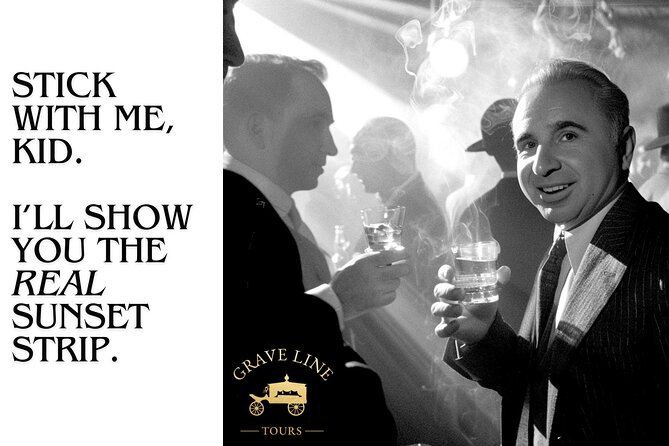
The Hollywood YMCA is an unusual crime-history stop. It was the site of the first famously tense meeting between Bugsy Siegel and Mickey Cohen, reportedly in the men’s locker room.
That detail gives the building a strange contrast. A YMCA suggests exercise, community, and ordinary daily life. Yet this particular location became linked to two major figures in Los Angeles crime history. The tour uses that contrast well, showing how mob business did not always happen in secret clubs or grand mansions.
Bugsy Siegel and Mickey Cohen represent different parts of the city’s underworld story, and their meeting helps frame the rise of the Los Angeles mob empire. You’ll get more from this stop if you pay attention to the relationships between the characters, not just the dramatic setting.
Access inside historic sites can vary, so treat this as a story-focused visit rather than a guaranteed behind-the-scenes tour of every room. The men’s locker room is the key detail, but the supplied information does not promise a full interior inspection.
A different kind of day out, same stretch of Southern California:
- Full-Day Iconic Sights of LA, Hollywood, Beverly Hills, Beaches and More
★ 5.0 · 6,147 reviews - Warner Bros. Studio Tour Hollywood
★ 4.5 · 5,246 reviews - Hollywood, Beverly Hills & Celebrity Homes Tour by Open Air Bus
★ 5.0 · 2,557 reviews - Hollywood Sign 2.5-Hour Tour with Comedians and Their Dogs
★ 5.0 · 2,496 reviews
Billy Wilkerson and The Hollywood Reporter
Another stop visits the original headquarters of The Hollywood Reporter. Its founder, Billy Wilkerson, was known as The Hollywood Godfather because his influence extended well beyond publishing.
This is one of the tour’s strongest examples of power that did not come from guns or gambling. Wilkerson used a newspaper, sharp commentary, and personal influence to shape Hollywood’s power struggles. His story adds a media angle to the tour and shows how publicity could help build or damage reputations during the Golden Age of Hollywood.
I appreciate this stop because it broadens the idea of what a crime-history tour can cover. The story is not only about mobsters hiding cash or ordering hits. It is also about who controlled information, who could embarrass powerful people, and how the entertainment industry protected its interests.
The former publishing headquarters is an Art Deco site, so you get architecture as well as biography. As with several locations on the route, the building’s importance is tied to what happened there, not necessarily to a large public exhibit inside.
Tops Café and Lana Turner’s discovery
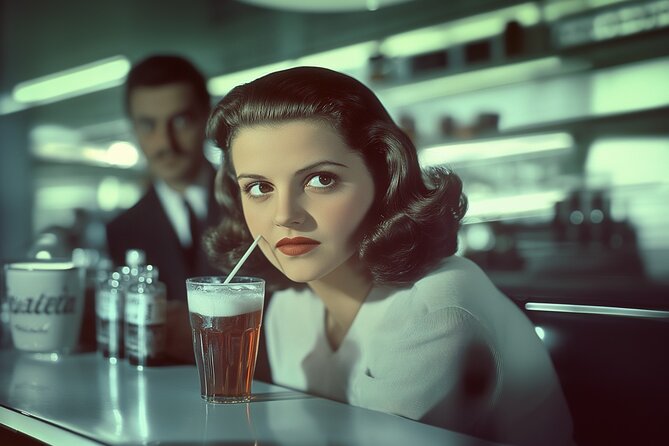
The former site of Tops Café brings a lighter story into the route. This classic Hollywood soda fountain was where Lana Turner was famously discovered, launching her screen career.
After several serious mob stories, the café provides a useful change of pace. It shows the other side of old Hollywood: young hopefuls, casual hangouts, and the possibility of being noticed by the right person at the right time.
The stop also helps explain why Hollywood legends grow so powerful. A simple café story can become part of a star’s public mythology. You’ll see how places associated with discovery, ambition, and glamour sit close to sites tied to violence and corruption.
Because the stop is at the former site of Tops Café, you should not expect the original soda fountain to be operating. Its value is historical and atmospheric. If you enjoy classic film stories, this will likely be one of the more appealing stops.
Crossroads of the World and Charlie Crawford
Crossroads of the World is a striking 1930s complex built on the site where bootlegger Charlie Crawford met a violent end. It is another place where polished Hollywood design meets a rougher past.
The location captures the mood of Prohibition-era Los Angeles. The city’s glamour did not erase its criminal economy. Instead, both worlds often existed side by side, with fashionable buildings and nightspots linked to liquor smuggling, gambling, and violent rivalries.
This stop should appeal to people who like architecture with a story attached. You are not only looking at an old landmark. You are also hearing how a location can preserve the memory of a crime even after the original businesses and characters have disappeared.
The Formosa Cafe, vault, and Hollywood Syndicate
The Formosa Cafe is the most tangible stop on the tour. You can go inside, buy a cocktail, and see the original vault associated with Bugsy Siegel’s secret gambling operations.
The cafe served as a real headquarters for the Hollywood Syndicate, making it more than a restaurant with a famous name. Its connection to mob figures, gambling, and entertainment gives the afternoon a place where the history feels close at hand.
I would plan to spend your break here with some care. The tour includes a 15-minute rest stop, and snacks or drinks are sold separately. The information provided specifically notes the chance to purchase refreshments from this one-time mob headquarters, so bring money or a payment method if that part appeals to you.
The Formosa is also a good place for photographs, but keep your expectations sensible. You are visiting a working venue, not a dedicated crime museum. The vault is the key feature, and the guide’s explanation will likely provide much of the context.
A studio lot marked by labor violence
The route continues to a historic studio lot associated with violent labor union battles and the influence of the Hollywood Syndicate.
This stop shifts the focus from individual gangsters to the business systems that allowed organized crime to gain power. Labor disputes could affect production, money, and control of studio operations. When crime networks entered that world, the results could be brutal.
You’ll see the grounds where those conflicts took place, but the supplied details do not promise access to private studio areas. Treat this as a viewpoint and storytelling stop. Its importance comes from the way it connects mob activity with Hollywood’s working life, not just its stars and nightclubs.
Roselli’s former home and FBI surveillance
The former residence of Johnny Roselli offers a more domestic angle on the mob story. This was once a home under constant FBI surveillance, giving you a sense of how closely law enforcement watched Roselli.
The address also reflects his public image. Roselli was known as a suave fixer, someone who could operate in polished Hollywood circles while maintaining ties to organized crime. That tension between respectable appearance and hidden activity is central to the tour.
House stops can be less dramatic than famous restaurants or crime scenes, especially if you only see the exterior. Still, the surveillance detail makes this location worthwhile. It shows that mob history was not only about public violence. It also involved long observation, pressure, and a contest between investigators and people skilled at staying ahead of them.
Virginia Hill’s first Los Angeles home
Virginia Hill’s first Los Angeles residence brings a woman’s story into a route otherwise dominated by men. Hill rose from a small-town background to become an infamous courier and a key figure in the underworld surrounding Bugsy Siegel.
The house was a glamorous hideout and an early base for her Beverly Hills life. It represents the way money and status could transform a person’s position, while also tying that success to dangerous people and illegal business.
I find this stop valuable because it moves beyond the usual gangster portrait. Hill was not simply a companion in someone else’s story. Her role as a courier placed her close to money, secrets, and major figures in the mob. The address helps you consider how women participated in, benefited from, and were endangered by organized crime.
Again, this is a residence, not an indoor attraction. The guide’s account is what turns an ordinary-looking address into part of the larger story.
The house behind The Godfather’s horse head scene
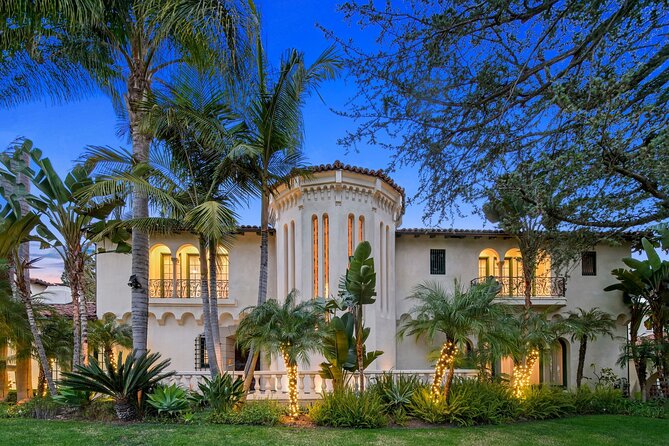
The final highlighted stop is the house where the infamous horse head scene from The Godfather was filmed. This is the clearest link between the real locations on the route and the way Hollywood turned mob life into cinema.
The scene is famous because it compresses fear, power, and theatrical shock into one image. Seeing the house gives film fans a specific location to connect with that moment, even if the story depicted in the movie is fictional.
This stop is especially useful if you are combining the tour with a broader Hollywood visit. It adds a film location to an afternoon otherwise centered on real people and real crimes. Just remember that a filming location is not proof that the movie’s events happened there.
Price, group size, and overall value
The cost is $93.08 per person for about three hours. That is not a bargain-priced sightseeing loop, but the price includes a guide, transportation during the tour, visual background material for passengers with data access, and a small group capped at eight.
The value depends on what you want. If you are looking for a list of celebrity homes viewed from a vehicle, cheaper options may exist. If you want a focused story about Los Angeles crime, Hollywood power, and specific locations, the small group and guide-led format make the price easier to justify.
You should budget separately for refreshments at the Formosa Cafe. The tour includes a short break, but snacks and drinks are not included. The 2:30 pm start also means you can pair it with a morning activity or an evening meal afterward without giving up an entire day.
Confirmation arrives at booking. Service animals are allowed, public transportation is nearby, and most people can participate. The activity returns to its starting point at 6801 Hollywood Boulevard.
Who should book this three-hour crime tour
I would choose this experience if you like old Hollywood, true crime, organized crime, architecture, or movie locations. It is also a good fit if you have already seen the main Hollywood sights and want a more unusual way to understand the city.
The tour suits adults and older teens who can handle disturbing material. It is not recommended for people who are easily upset by crime stories or emotionally sensitive to true crime content.
Guide Blaze is worth noting when you make your decision. Her style is described as witty, cool, and full of information, with a talent for capturing the right mood. That matters on a tour like this. A dry list of names would quickly become hard to follow, while an overly playful tone could make serious events feel careless.
The experience is less suitable if you want long indoor visits, formal museum displays, or a strictly academic presentation. Several stops are former sites, residences, or exterior locations. You are paying for the route, the vehicle, and the storytelling that ties those places together.
Should you book it?
Book this tour if you want Hollywood history with a criminal edge and enjoy hearing how real people, buildings, studios, newspapers, and movies connect. The Formosa Cafe vault, the YMCA meeting between Siegel and Cohen, and the Godfather filming location give the route several memorable anchors.
Skip it if you dislike true crime, need guaranteed access to every interior, or want a relaxed star-focused sightseeing trip. For the right audience, the small group, unusual locations, and guide Blaze’s lively delivery make this a distinctive three-hour look at Los Angeles after dark, even though the tour runs in the afternoon.
FAQ
How long is the L.A. Mafia History Tour?
The tour lasts approximately three hours.
Where does the tour begin?
It begins at 6801 Hollywood Boulevard, Hollywood, California 90028.
What time does the tour start?
The scheduled start time is 2:30 pm.
Where does the tour end?
The activity ends back at the meeting point on Hollywood Boulevard.
How many people can join the tour?
The tour has a maximum of eight participants.
Is the Formosa Cafe included?
The tour includes admission to the Formosa Cafe stop, but drinks and snacks are purchased separately.
Is a break included?
Yes. The tour includes a 15-minute break for restrooms and refreshments.
Can I cancel for a full refund?
Yes. You can cancel at least 24 hours before the start time for a full refund. Cancellations or changes made less than 24 hours before the start time are not refunded or accepted. If poor weather causes the operator to cancel, you will be offered another date or a full refund.
Just added around Los Angeles
- Los Angeles: Speakeasy Bar Hopping Tour with Drink★ 4.7 · 3 reviews
- Private Surf Lesson in Venice Beach, CA★ 5.0 · 3 reviews
- LA: Expo Park Space & Dinosaurs Tour with Cal Science Center★ 5.0 · 3 reviews
- Private Photo Tour of the Best Instagram Spots in Los Angeles★ 5.0 · 3 reviews
- Santa Monica Superhero Exploration Game and Tour★ 5.0 · 3 reviews
- Private Hollywood Sign Hiking Tour with Select Hotel Pickup★ 5.0 · 3 reviews
- Private 5-Hour Limo Tour of Los Angeles and Beach Cities★ 3.5 · 3 reviews
- Hooray for Hollywood: 35-Minute Helicopter Tour★ 4.7 · 3 reviews
Historical Tours, compared.
Palm Springs Modernism Architecture & History Bike Tour
Read our review →
45-Minute Private Guided Historic Walking Tour in Lititz
Read our review →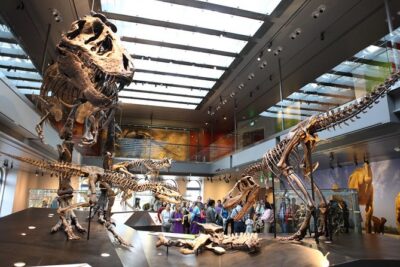
Natural History Museum of Los Angeles County Admission
Read our review →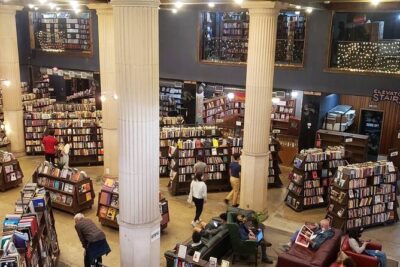
The History and Architecture of Downtown Los Angeles
Read our review →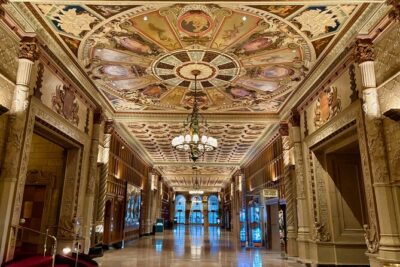
Downtown Los Angeles History and Architecture Walking Tour
Read our review →
The History and Architecture of Downtown Los Angeles
Read our review →Browse the lists this tour appears in